Written by:
Jacksons Moving
Published:
October 8, 2026
Can a dryer be transported on its side? Here's what actually happens to the drum, vents, and motor, plus the safest way to move one during your relocation.
Short answer: you can transport a dryer on its side in a pinch, but it is not the recommended way to do it, and gas dryers especially should stay upright whenever possible. Laying a dryer down can shift internal components, strain the drum supports, and in gas models, risk leaking residual oil or damaging the gas valve connections. If you are tight on truck space and considering tipping one over, it helps to know exactly what is at risk before you do it.
This guide covers when it is actually safe to lay a dryer on its side, what can go wrong if you do it incorrectly, and how to move a dryer the right way so it arrives working just as well as it did in your old laundry room.
Most electric dryers can survive a short trip on their side if they are padded and secured correctly, but it still is not ideal. The drum is suspended by belts, rollers, or springs designed to bear weight vertically, not sideways, and tipping the unit can cause those parts to shift or bind.
Gas dryers are a different story. They often contain a small amount of residual oil in the burner assembly, and laying the unit on its side can let that oil drain into the burner tube or gas valve, which may cause smoke, odor, or a malfunction the first time it is used. If you must transport a gas dryer on its side, do it only for a short distance, keep the trip as brief as possible, and have it inspected before you fire it up in your new home. When possible, keep gas dryers upright during the entire move.
Done wrong, laying a dryer on its side can knock the drum off its rollers, bend the venting duct attached to the back panel, or crack the thin plastic housing around the lint trap. None of these are always obvious right away, which is why some dryers seem to run fine for a few cycles and then start thumping or squealing.
Preparing a dryer correctly takes about 15 to 20 minutes and prevents most of the damage that happens in transit. The goal is to disconnect it fully, secure the drum, and protect the exterior before it ever gets lifted.
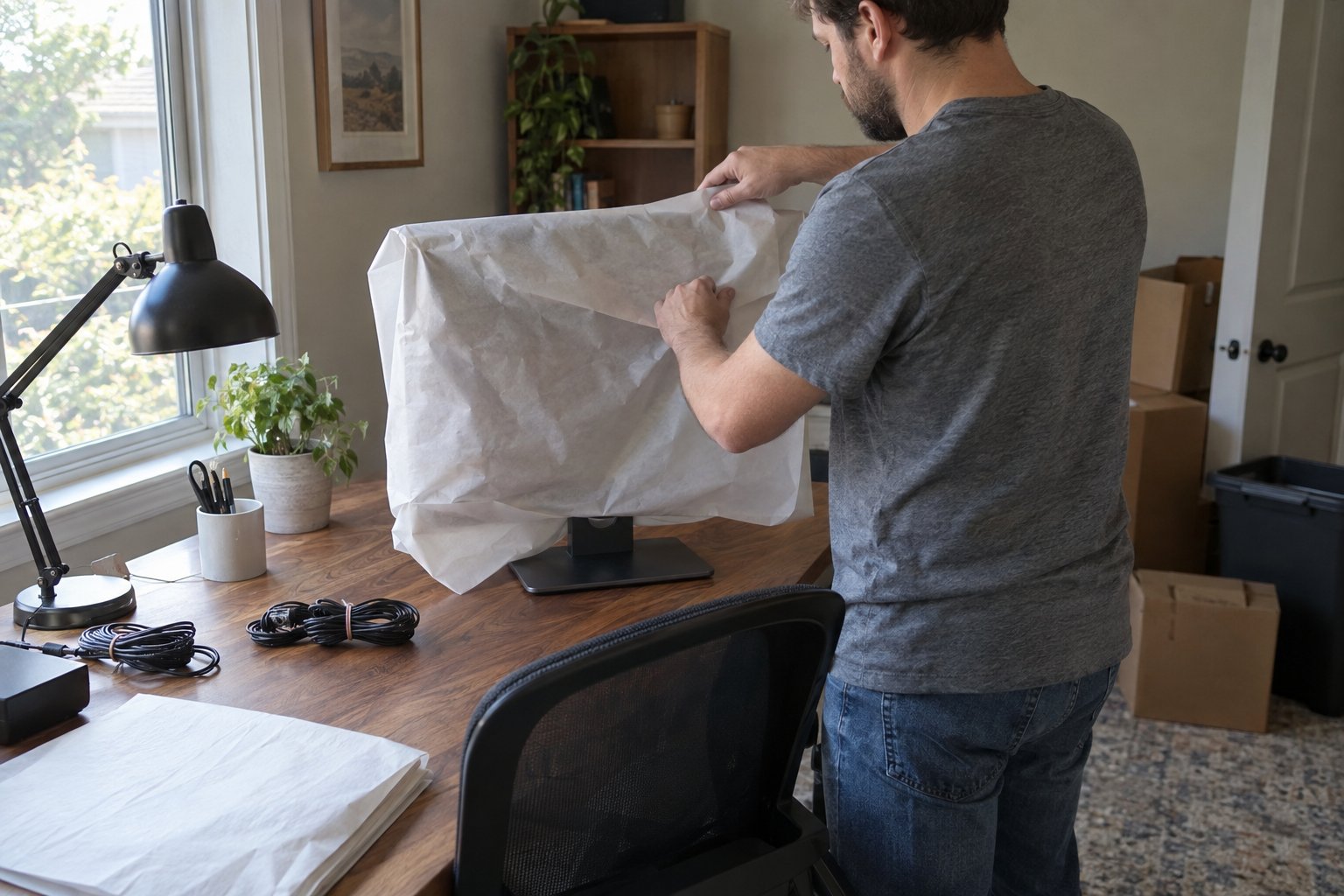
Unplug electric dryers from the wall, or for gas models, shut off the gas supply valve and disconnect the flexible gas line carefully (this step is best left to someone comfortable working with gas connections, or to your moving crew if they offer appliance disconnects). Remove the vent hose from the back of the unit and set it aside separately.
Some dryers ship with a drum brace or locking bolts for this exact reason. If you kept the original shipping bolts, now is the time to use them. If not, pad the interior of the drum with a towel or blanket to limit how much it can shift during the move.
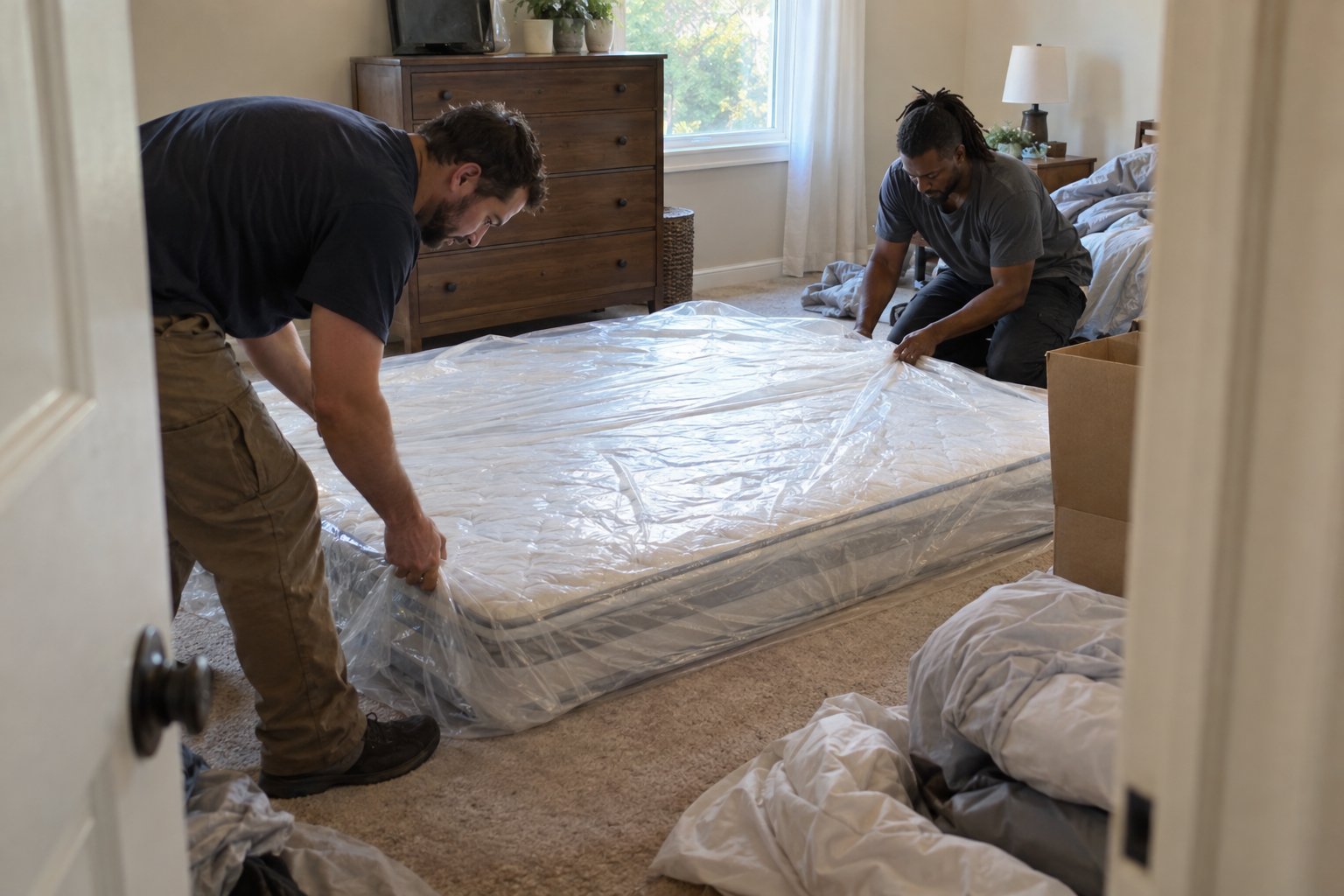
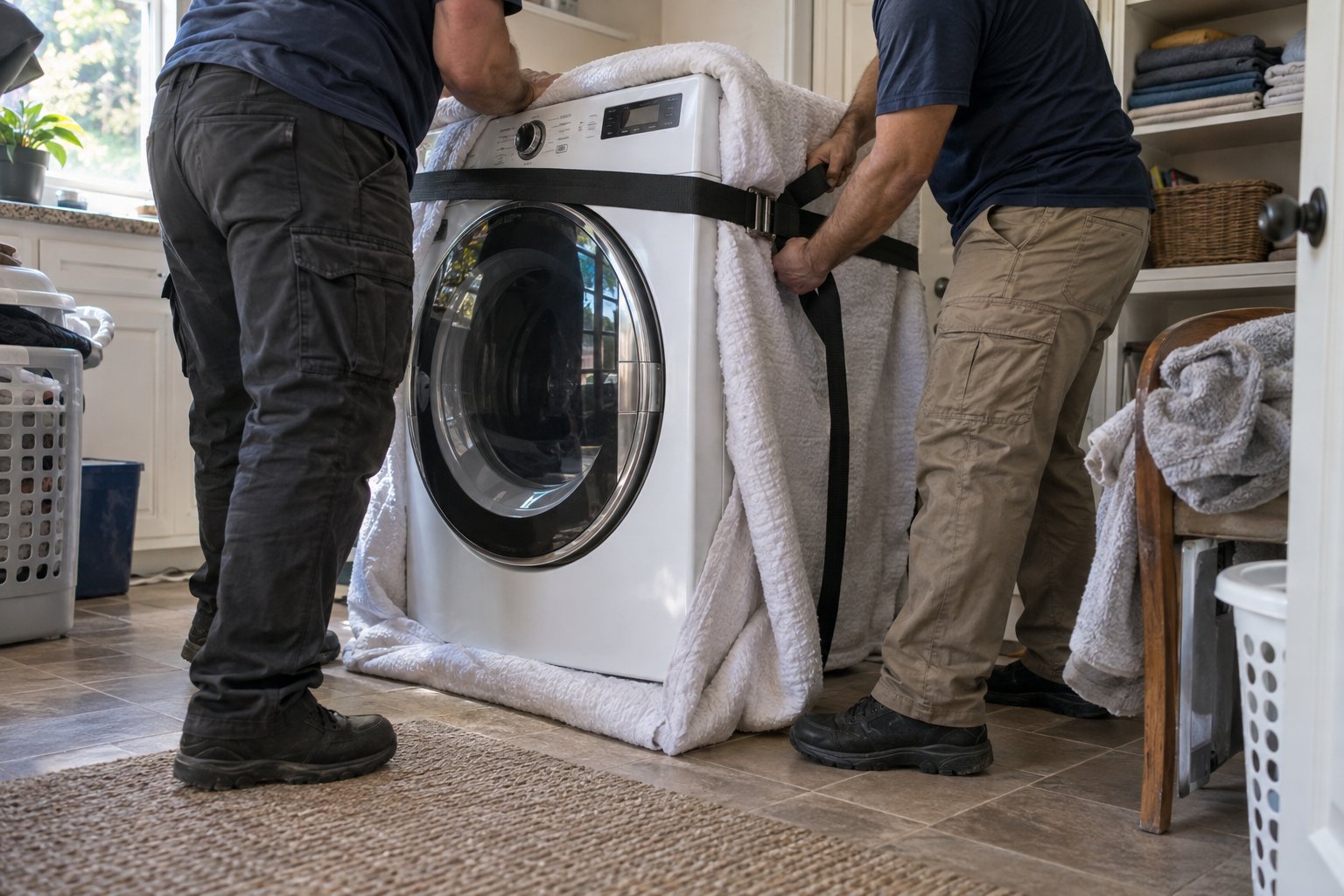
Wrap the unit in moving blankets or furniture pads, securing them with stretch wrap rather than tape directly on the finish. Pay extra attention to the control panel and any knobs, which tend to snap off if bumped against a doorway or truck wall.
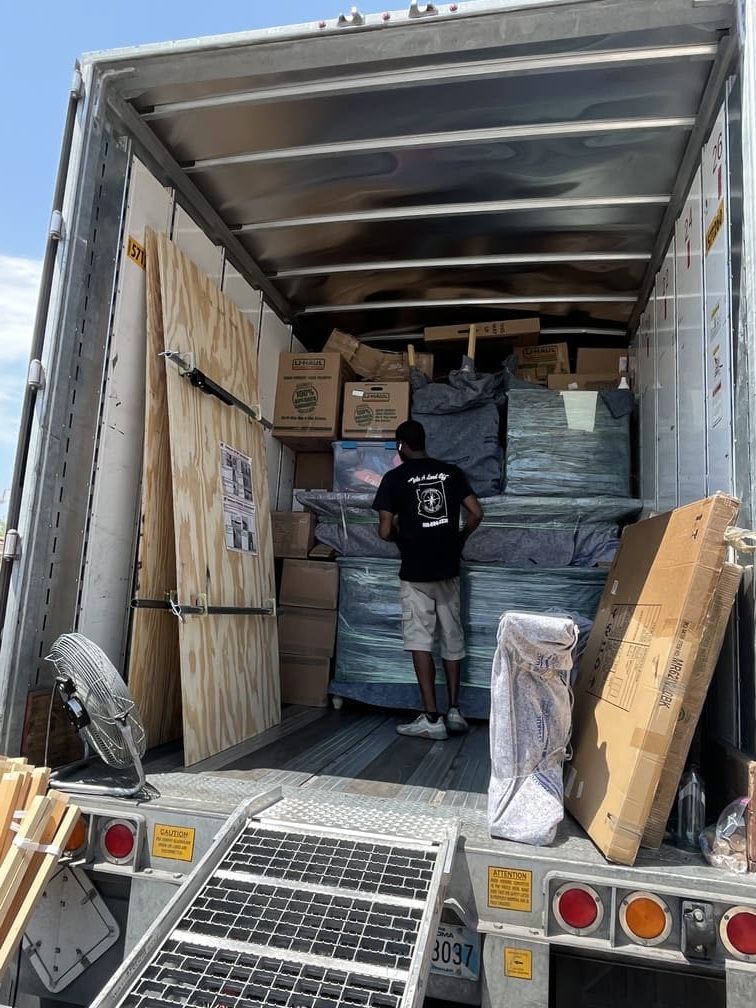
A dryer travels best standing upright, strapped against the truck wall with at least one other heavy, stable item next to it to keep it from shifting. Use an appliance dolly to move it from the house to the truck rather than tilting it back and forth by hand, which puts unnecessary strain on the frame and your back.
If space truly forces you to lay it down, place it on the side opposite the control panel, pad it generously underneath, and avoid stacking anything heavy on top. Keep gas dryers positioned so any residual oil has the shortest possible path away from sensitive components, and never leave it on its side for an extended storage period. If your timeline is tight and you need a dryer or a single large appliance relocated on short notice, a same-day moving crew can handle the load and transport without you having to solve the logistics alone.
If you do not have an appliance dolly, moving straps, or a second person who can safely help lift, hiring professional movers is usually the safer call. Dryers are heavy, awkwardly balanced, and expensive enough to replace that a dropped corner or a cracked vent connector turns into a real cost.
A crew experienced in furniture moving will typically have the dollies, straps, and padding on hand already, and they know how to navigate tight stairwells or narrow laundry closets without scraping walls or the appliance itself. If you are relocating a full household and the dryer is just one item on a long list, bundling it into your residential moving service saves you from having to solve each large item separately.
Dryers are one of several large, awkward items that cause more move-day stress than people expect, right alongside sofas, refrigerators, and washers. If your move includes a full laundry room setup or other bulky appliances, it is worth requesting help rather than guessing at the right way to handle each piece. You can get a moving quote and let a crew familiar with Mesa, Phoenix, Chandler, and the surrounding area handle the heavy lifting.
If you are moving out of a larger home and want a sense of what a full-service move covers beyond appliances, our 4-bedroom house moving service page outlines what is typically included for bigger households with more to transport.
Laying a dryer on its back is generally worse than its side for front-load models, since it can put direct pressure on the door seal and front drum bearing. If you must tip it, the side is the safer of the two options, with the control panel facing up and away from pressure.
There is no fixed safe window, but the shorter the better. A quick tilt to get through a doorway is low risk, while hours of transport or storage on its side gives any residual oil more time to migrate into the burner assembly or gas valve.
Yes. The vent hose is only loosely clamped to the back of most dryers and can bend, tear, or pop off if left attached during the move. Remove it, fold it loosely, and pack it separately.
It is possible with a stair-rated appliance dolly and proper lifting technique, but dryers are heavy and top-heavy enough that many people choose to hire movers for stairs specifically, since a fall risks both the appliance and the people carrying it.
It is a good precaution, especially if the dryer was laid on its side at any point. A quick check of the gas connection and a test cycle in a ventilated space can catch any issues before they become a bigger problem.
Read genuine feedback from our satisfied customers to understand why we are the trusted choice for moving services.
From Phoenix to communities across the Valley, Jackson's Moving is here when you need residential, commercial, or long-distance moving services. Request your free quote today.