Written by:
Jacksons Moving
Published:
October 5, 2026
Learn how to pack a mattress for moving so it stays clean, dry, and free of tears. Covers bag sizing, taping, lifting, and truck placement.
A mattress is one of the few items in a move that is both bulky and surprisingly easy to damage. Learning how to pack a mattress for moving means more than shoving it in the truck and hoping for the best. It means protecting the fabric from rips, the foam or springs from bending, and the whole thing from picking up dirt, moisture, or pests along the way. Done wrong, you end up sleeping on a stained or lumpy mattress in your new home. Done right, it arrives in the same condition it left in.
This guide walks through choosing the right size mattress bag, prepping the mattress itself, taping it up securely, and loading it so it does not bend, slide, or get crushed under other items.
At minimum, you need a mattress bag or cover sized correctly for your mattress, packing tape, and a few furniture or stretch pads if you have them. A box spring usually needs its own cover too, since it is just as exposed to dust and scuffing as the mattress.
Mattress bags come in heavy plastic or breathable woven versions. Plastic bags protect better against moisture and dirt but can trap condensation if the mattress was damp or recently cleaned, so give it time to air out first. Woven or cloth covers breathe better and are a good option for long-distance moves where the mattress may sit packed for several days. Avoid simply wrapping a mattress in a flat sheet or tarp. It slides, bunches up, and leaves corners exposed.
Mattress bags are sold by size (twin, full, queen, king, and sometimes split king or California king). A bag that is too small will stretch thin at the seams and tear during loading. A bag that is too large will bunch up and let dirt in at the folds. Check the label against your actual mattress dimensions before buying, since "queen" memory foam mattresses sometimes run thicker than standard innerspring queens.
Vacuum both sides of the mattress and let it air out for a few hours before bagging it. This removes surface dust and reduces the chance of trapped moisture causing odor or mildew during transit, especially in warmer months.
If the mattress has any existing stains or tears, photograph them before the move. This protects you if there is ever a dispute about pre-existing condition versus damage in transit. Remove any mattress toppers, protectors, or decorative covers and pack those separately in a labeled box rather than leaving them bunched inside the bag.
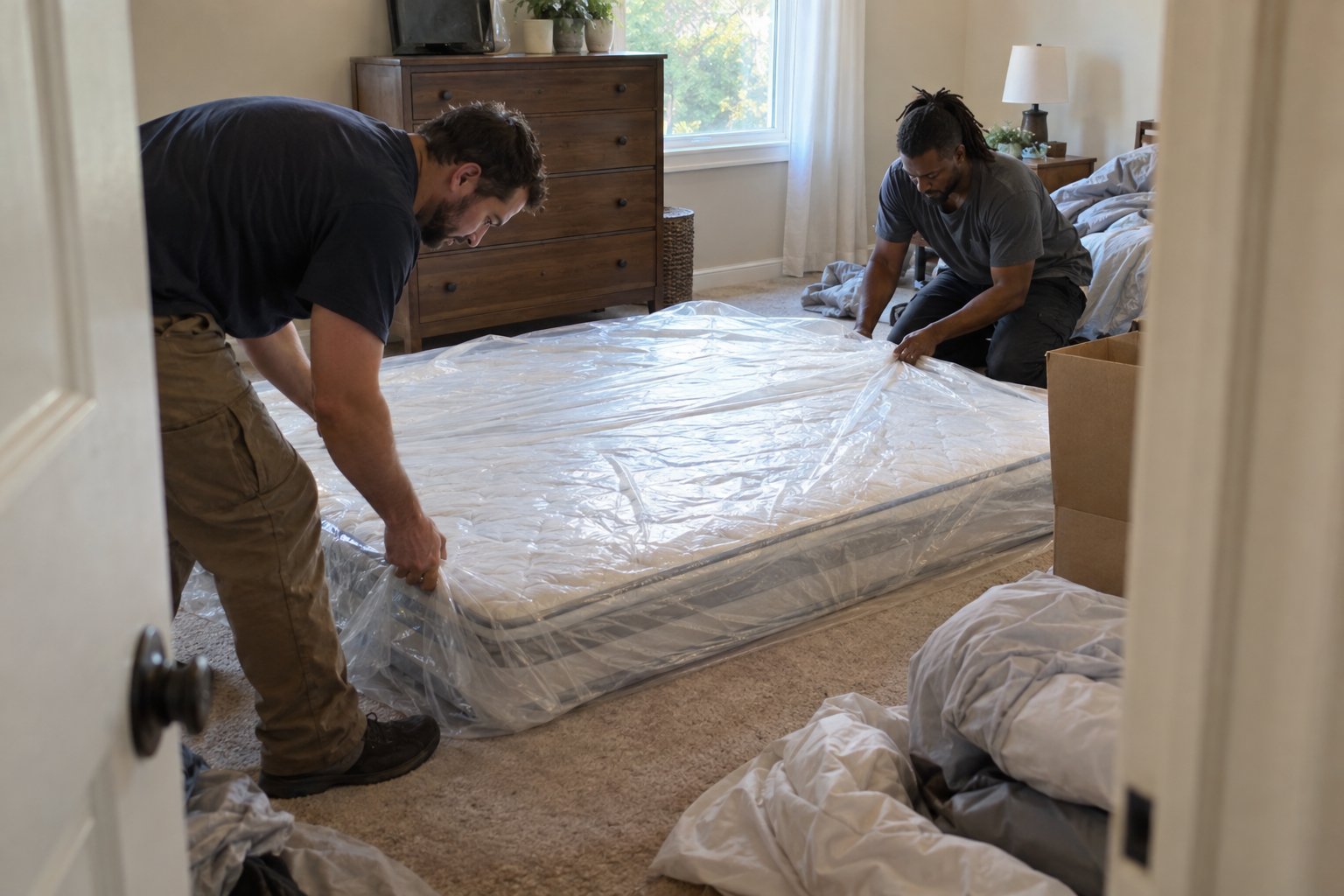
Slide the mattress into the bag so the seams run straight along the edges rather than twisted. Then fold the open end over itself at least twice and tape it flat, rather than gathering it into a bulky knot that can snag or tear during loading.
Use tape sparingly and only on the bag itself, never directly on the mattress fabric, since adhesive can pull at the material if the bag shifts. For a trip longer than a day, reinforce the corners with an extra strip of tape, since corners take the most abrasion when a mattress is stood on edge in a truck.
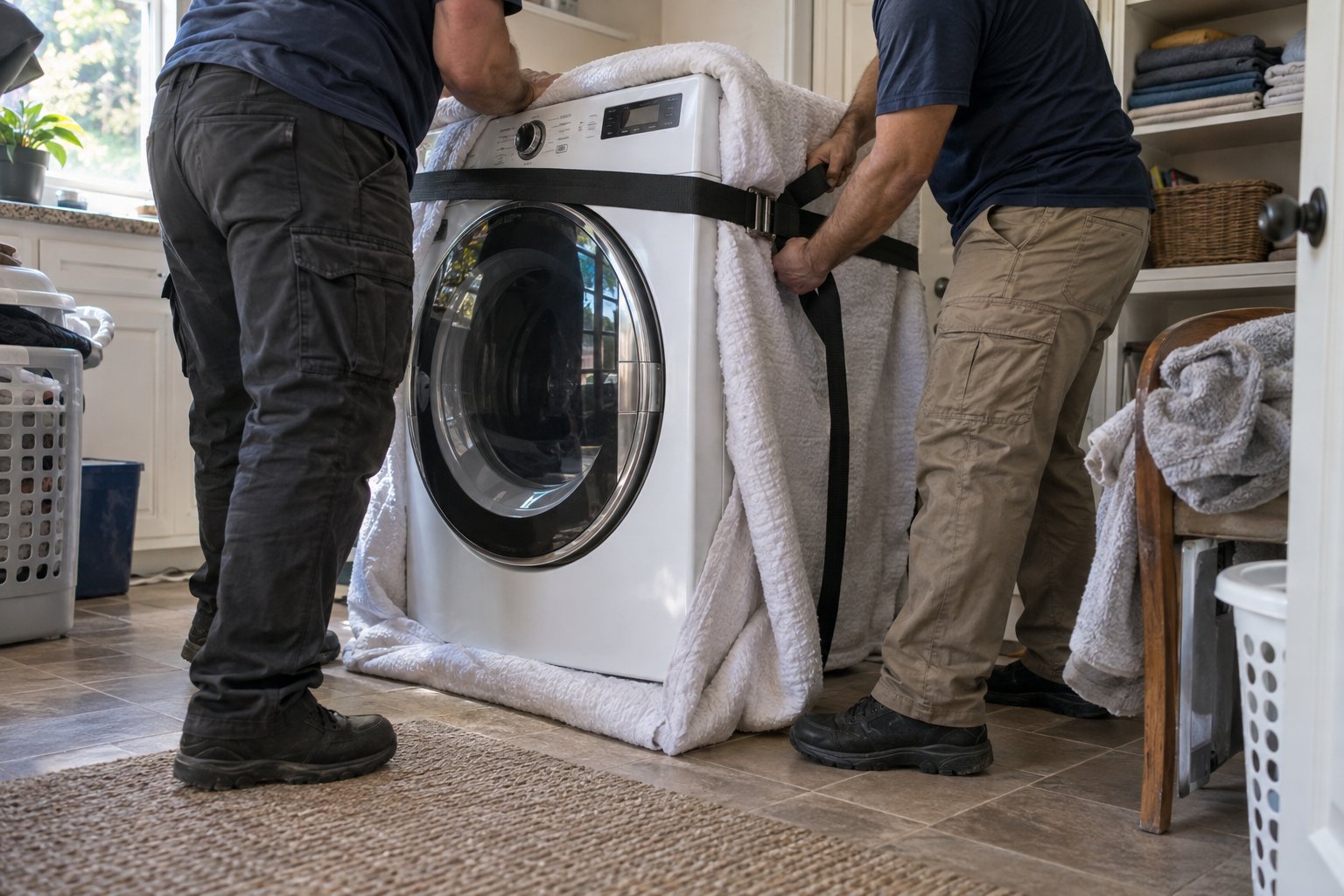
Most of the headaches on moving day come from the frame, not the mattress itself. If you are also wondering how to pack a bed frame, the short version is to disassemble it fully: remove the headboard, footboard, and side rails, and keep all hardware in a labeled bag taped to one of the larger frame pieces so nothing gets lost. Wrap metal frame pieces in moving blankets or furniture pads to prevent scratches to other items they are loaded against. Slats and center support beams should be bundled together with tape or rope so they do not shift individually during transport.
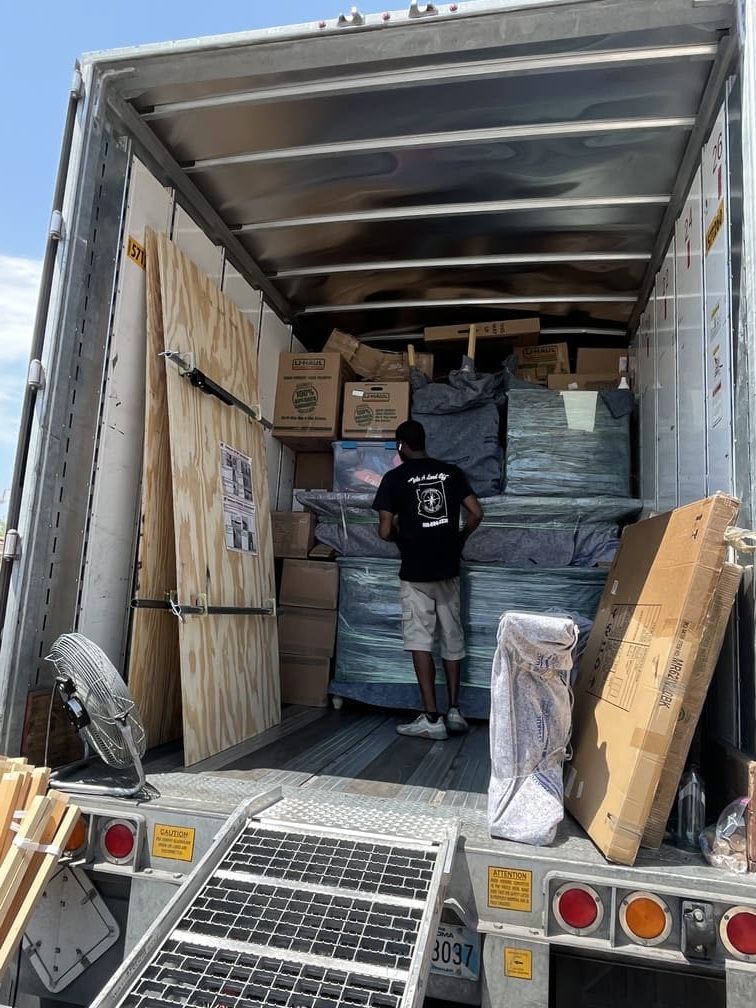
A mattress should always be loaded on its side, never flat with items stacked on top. Laying weight on a mattress, even briefly, can compress foam permanently or bend an innerspring unit out of shape. Standing it upright also uses truck space more efficiently.
Secure the mattress against the wall of the truck using straps or rope so it cannot slide or fall during transit, and avoid wedging anything sharp or heavy directly against the bagged surface. If you are moving a specialty item at the same time, such as a pool table, keep the two separated with blankets, since pool table slates are heavy and can crack a mattress if they shift during a sudden stop. Disassembling a pool table before the move (removing the rails, pockets, and slate sections) follows a similar logic to bed frame prep: label every bolt and keep slate pieces flat and supported rather than stacked against soft items like a mattress.
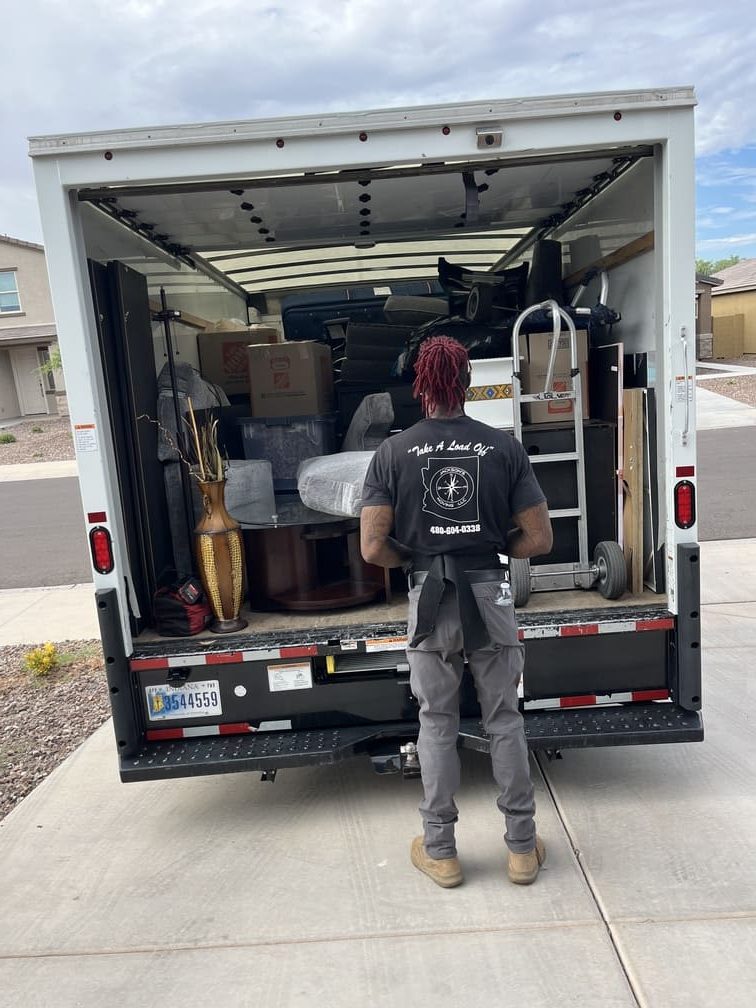
On moving day, load the mattress toward the back of the truck near other soft or padded items, not against the tailgate where it takes the brunt of bumps and vibration over a long-distance trip.
Packing a mattress yourself is manageable for most people with the right bag and a second set of hands for carrying it through doorways. Where professional help becomes worthwhile is on long-distance moves, moves involving stairs or tight hallways, or when you are moving multiple mattresses and frames at once and do not want to spend a full afternoon on bed disassembly alone.
A crew that offers professional packing services will bring correctly sized mattress bags and the padding needed to protect frames and headboards, which saves you from guessing at sizing or making a last-minute store run. If your move involves a larger household with several bedrooms to pack, it may also be worth looking at options like 3-bedroom house moving support, since bundling mattress handling into a full-service move usually costs less in time and stress than piecing it together yourself.
A mattress does not need to be complicated to move, but it does need a plan: the right size bag, a few minutes of prep, careful taping, and upright loading away from heavy or sharp items. Skip any one of those steps and you risk arriving to a torn, stained, or bent mattress on your first night in a new place.
If you would rather hand off the lifting, bagging, and truck loading entirely, get a moving quote from our team and we will build mattress and furniture protection into your move from the start.
You can, but it is not recommended. An unbagged mattress picks up dirt, moisture, and tears more easily, and movers may decline to load a bare mattress onto a truck with other belongings for sanitary reasons. A properly sized mattress bag is inexpensive insurance against a ruined mattress.
A mattress can typically stay bagged for several days to a couple of weeks without issue, as long as it was clean and dry before bagging. For longer storage periods, a breathable woven cover is a better choice than solid plastic to reduce the risk of trapped moisture.
Yes. Box springs are typically sold with their own matching bag size, since the shape and thickness differ from the mattress itself. Using a mattress bag on a box spring usually leaves it poorly covered at the corners.
Standard innerspring and most memory foam mattresses should not be folded, since folding can damage internal springs or crack foam permanently. Only mattresses specifically designed to fold, like some RV or sofa-bed mattresses, should be bent for transport.
Stand the mattress on its long edge and angle it slightly as you move through tight spaces, with one person guiding each end. Bagging it first also helps it slide past walls and door frames without snagging on trim or door handles.
Read genuine feedback from our satisfied customers to understand why we are the trusted choice for moving services.
From Phoenix to communities across the Valley, Jackson's Moving is here when you need residential, commercial, or long-distance moving services. Request your free quote today.