Written by:
Jacksons Moving
Published:
October 1, 2026
Learn how to transport paintings and canvas art without cracked frames or torn canvas. Practical packing and loading tips from the Jacksons Moving team.
Artwork does not travel like the rest of your belongings. A painting can look sturdy on the wall and still end up with a cracked frame, a torn canvas, or a scratched finish after a short ride in a moving truck. Learning how to transport paintings safely means understanding what actually damages art in transit (vibration, pressure, humidity, and direct contact with other surfaces) and building a packing plan that avoids all four.
This guide covers how to prepare paintings before moving day, the materials worth using, how handling changes for large canvases versus small framed pieces, and how to load and unload art so nothing shifts in transit.
Most art damage during a move comes from four sources: direct pressure on the painted surface, vibration against other items, sudden temperature or humidity swings, and improper lifting that puts stress on the frame or stretcher bars. Understanding which of these applies to your piece determines how you should pack it.
Oil and acrylic paintings on canvas are vulnerable to punctures and indentations if anything presses against the front. Framed pieces under glass risk cracked glass and corner damage if they tip or get stacked. Watercolors and works on paper are sensitive to humidity and should never sit against a cold exterior wall of a truck. Knowing your piece's specific weak point is the first step before you reach for a box.
Canvas art should never be wrapped in plastic against the paint surface, and it should always be cushioned at the corners before anything else touches it. Corners are the most fragile part of a stretched canvas, so protecting them first prevents the most common type of damage.
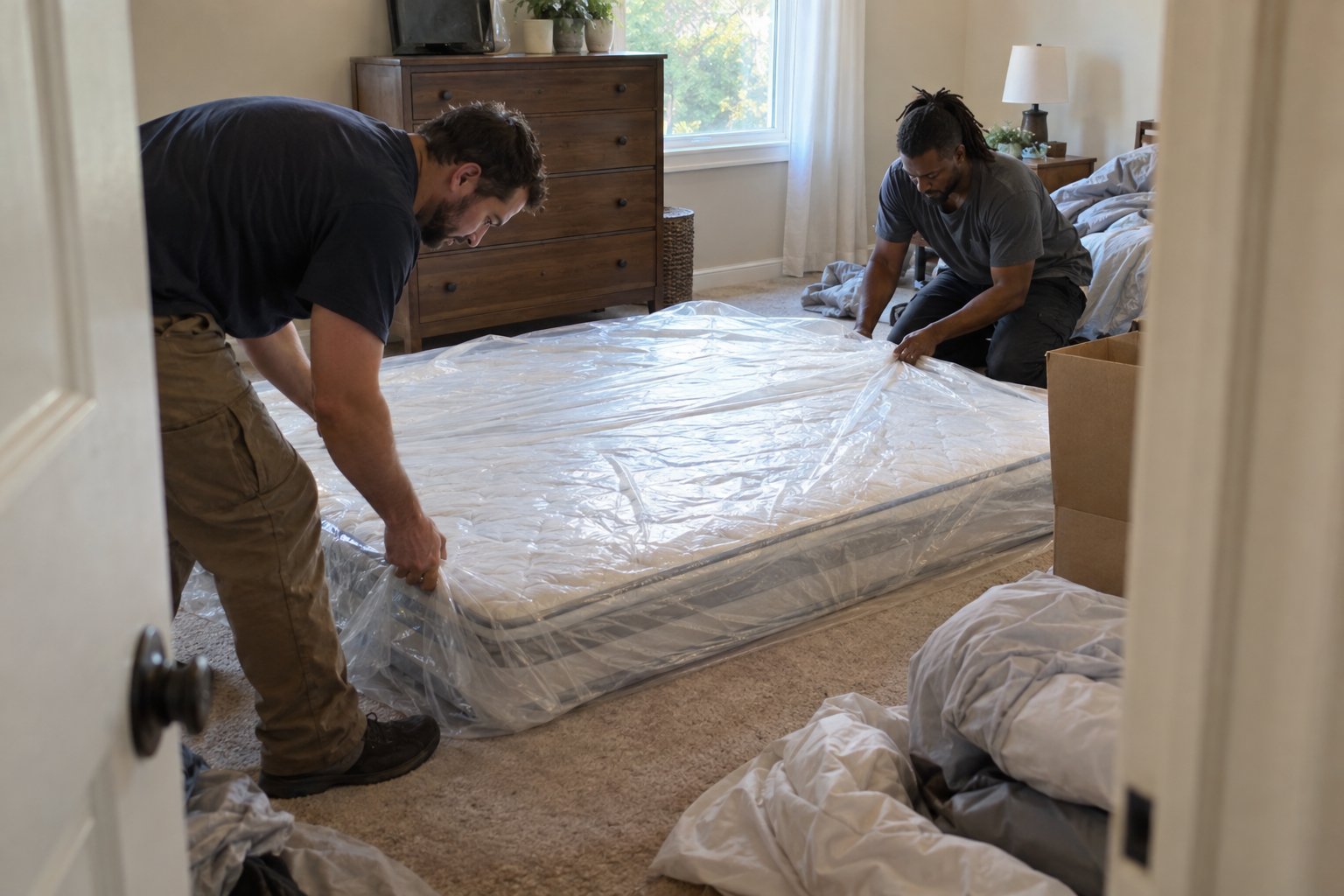
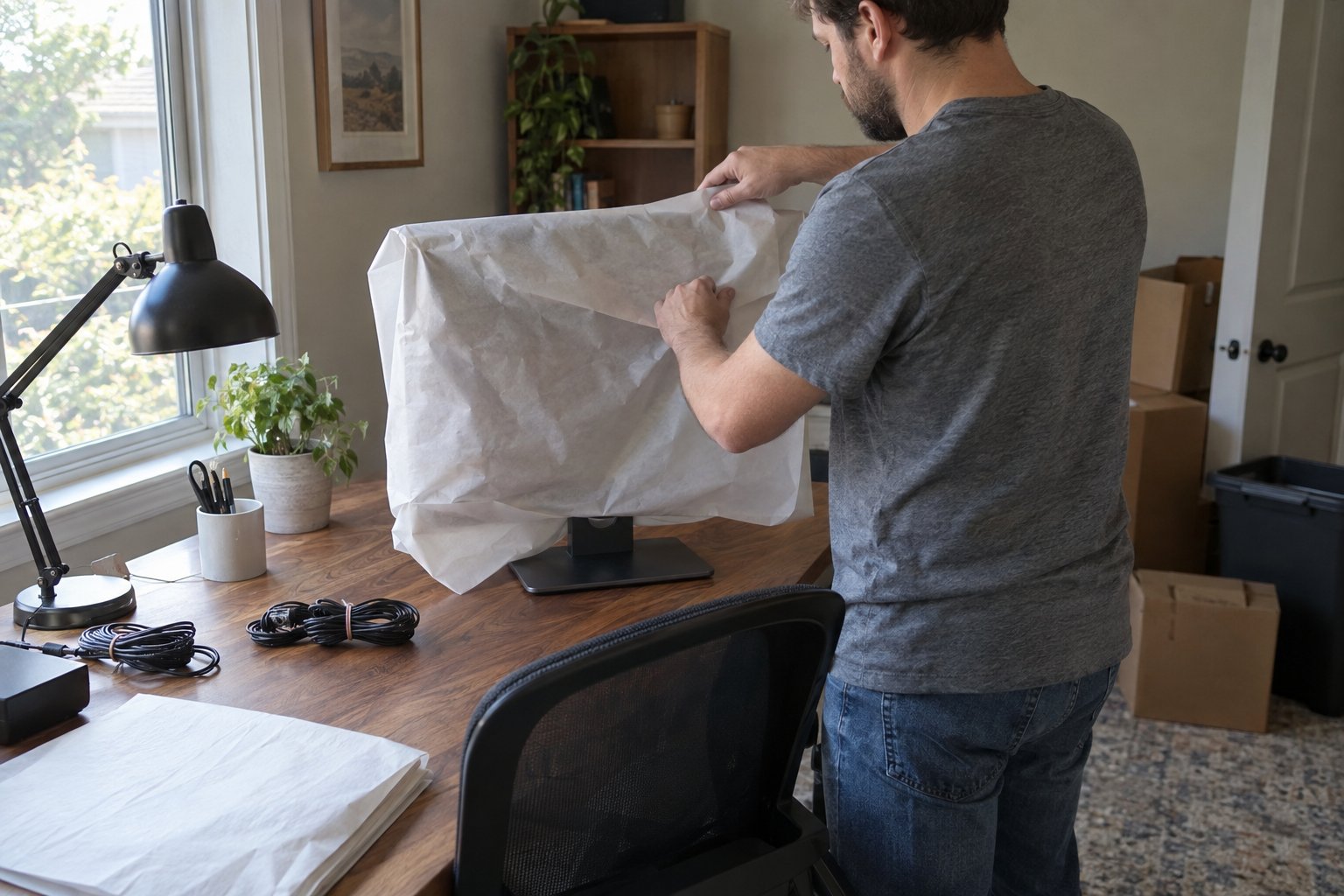
Start by covering the painted surface with a sheet of acid-free glassine paper or clean craft paper, not plastic wrap, which can trap moisture and stick to the paint over time. Add foam corner protectors to all four corners of the frame or stretcher bars. Wrap the entire piece in a layer of bubble wrap with the bubbles facing out, away from the canvas, then tape the seams rather than the artwork itself. For true cardboard protection, sandwich the wrapped canvas between two pieces of cardboard cut slightly larger than the piece and secure with tape along the cardboard edges only.
If you have the original shipping box or crate from when the piece was purchased, use it. If not, specialty picture boxes (flat, telescoping boxes designed for framed art) are worth sourcing rather than improvising with a standard moving box.
For framed paintings or prints under glass, apply painter's tape in an X pattern across the glass before wrapping. This does not prevent breakage, but it holds shards together if the glass does crack, protecting the art underneath. Wrap corners separately, then wrap the full frame, and always pack glass-front pieces vertically rather than flat to reduce pressure on the glass surface.
Large canvases need a different approach than small ones because their size makes them more prone to flexing, and flexing can crease or separate canvas from its stretcher bars. The goal with oversized pieces is to keep the canvas rigid and fully supported, not just cushioned.
For anything larger than roughly 24 by 36 inches, build or buy a flat crate rather than relying on bubble wrap and cardboard alone. A snug-fitting crate keeps the canvas from flexing during transport and distributes pressure evenly if anything is stacked nearby, which it shouldn't be. If a custom crate is not practical, sandwich the wrapped piece between two sheets of rigid foam board cut to match its dimensions, then secure the assembly with tape around the edges, never across the face of the painting.
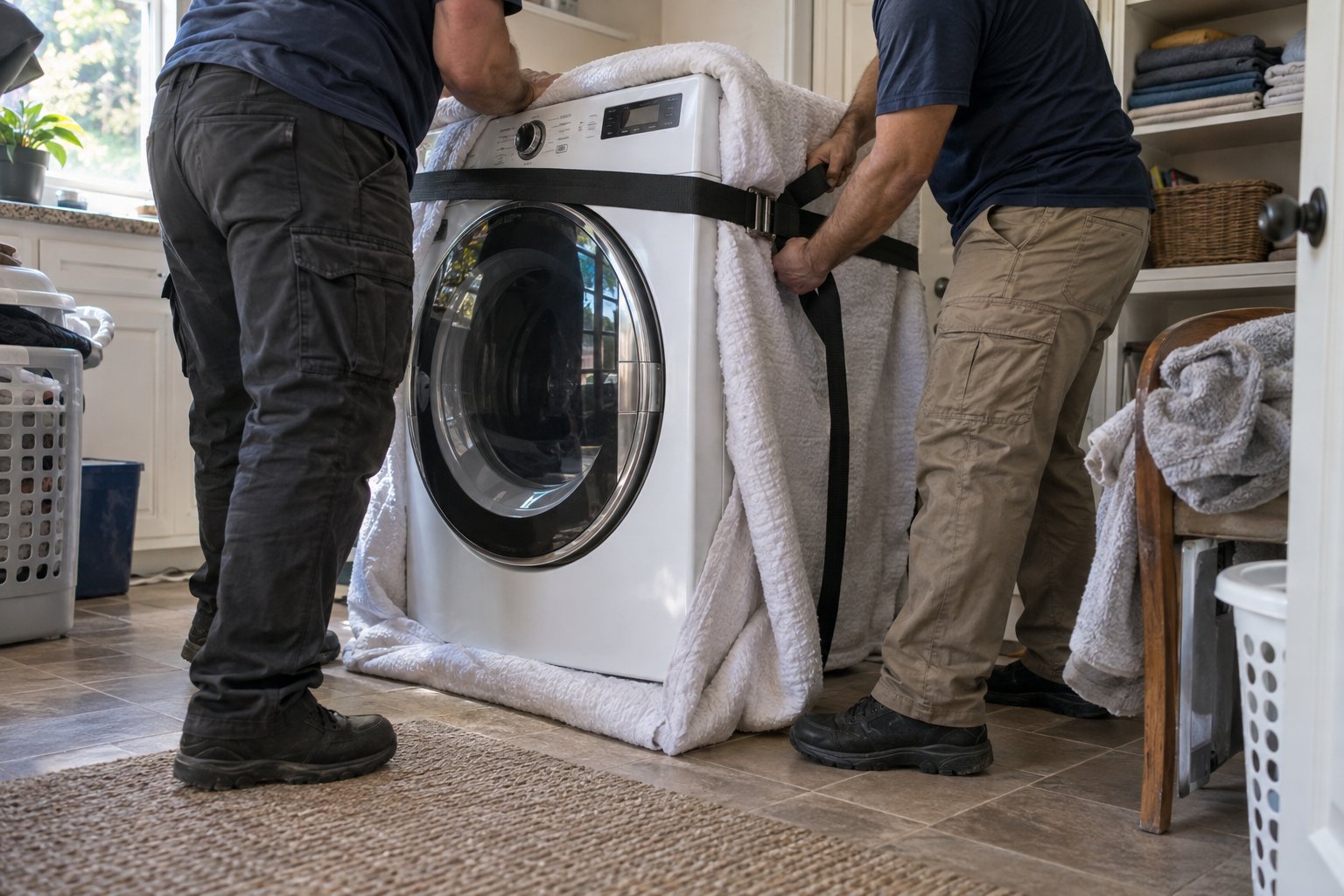
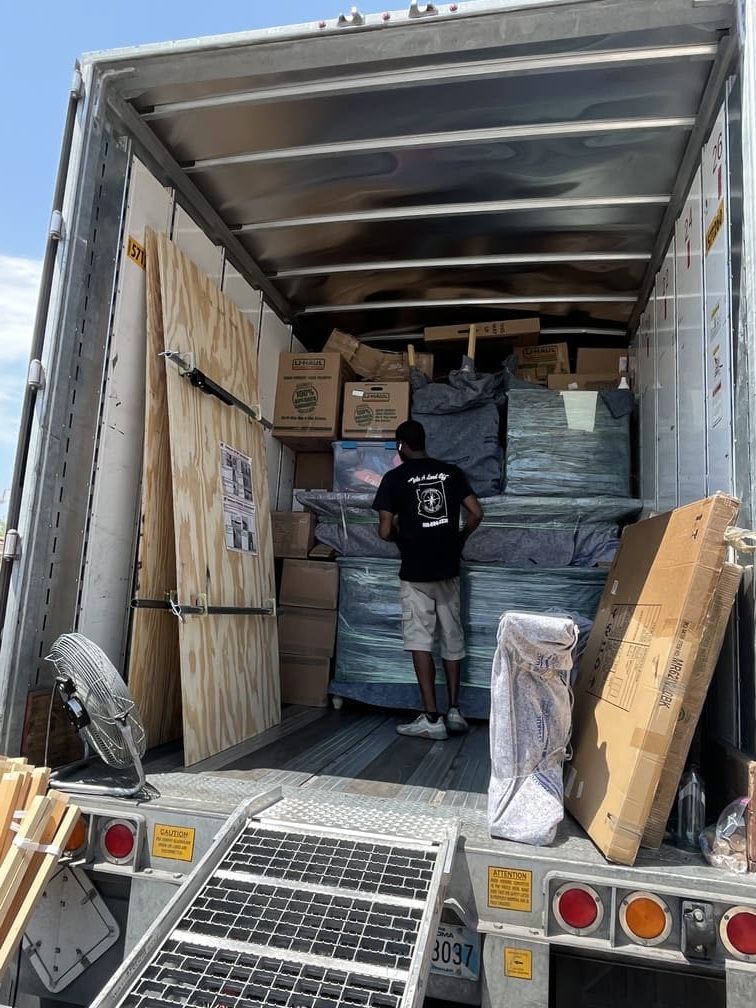
Large paintings should always travel standing on edge, never flat, and never with any weight resting on top of them. In a moving truck, they belong upright against a padded wall, secured with straps across the frame rather than the canvas, positioned so nothing can shift into them during transit.
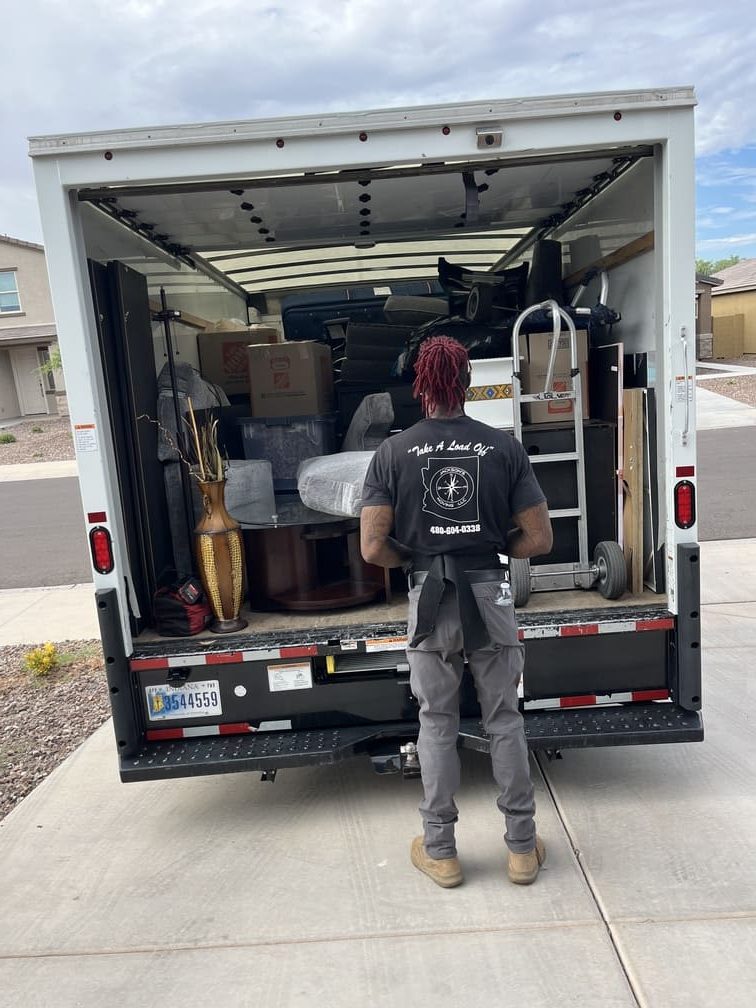
Paintings should be among the last items loaded and the first items unloaded, positioned upright against a flat wall of the truck where they cannot be crushed by furniture or boxes. Treating art as a separate category during loading, rather than mixing it in with general boxes, is what keeps it protected for the whole trip.
Use furniture pads or moving blankets between each framed piece if you are transporting more than one painting, and never stack boxes or furniture against the face of any wrapped artwork. If you are driving your own vehicle in Arizona's heat, avoid leaving paintings in a parked car for any length of time. High interior temperatures can soften paint, warp wood frames, and damage canvas adhesives surprisingly fast. Climate-controlled transport matters more for art than almost anything else in a typical move.
When you arrive, unwrap paintings as soon as reasonably possible rather than leaving them wrapped in plastic or tape for days, since trapped moisture can cause problems even after a safe trip.
If a piece is irreplaceable, oversized, or professionally appraised, it is usually worth having trained movers handle the packing and transport rather than doing it yourself. Professional movers who regularly work with specialty items know how to build custom crates, secure odd dimensions, and load art so it survives both local moves and long-distance ones.
Our professional packing services include materials and techniques built for fragile and specialty items like artwork, so pieces are wrapped and boxed correctly the first time instead of improvised on moving day. For pieces being shipped a long way, our long-distance moving service includes additional securing and climate awareness that a short local trip does not require. And if you are not sure whether your homeowner's policy or a mover's basic liability covers a damaged painting, it is worth asking about moving insurance options before moving day so you know what is actually protected.
Whether you are moving a single painting or an entire collection, planning ahead is what keeps art intact. If you would rather not take the risk of packing valuable pieces yourself, our team can build that into your overall moving plan. Get a moving quote and let us know about any artwork or fragile items so we can prepare the right materials in advance.
Some unframed canvases can be safely rolled for shipping, but only if the paint layer is fully cured and you roll with the painted side facing out around a wide tube, never inward. Framed pieces and anything under glass should never be rolled. If you are unsure whether your piece can tolerate rolling, pack it flat and rigid instead.
Telescoping picture boxes, which adjust to fit the exact dimensions of a frame, are the best option because they prevent the artwork from shifting inside the box. If you cannot find one sized correctly, a snug cardboard sandwich with corner protectors is the next best alternative.
Leave the painting in its frame and protect the glass with an X of painter's tape, then wrap the corners and face separately before boxing it vertically. Removing a painting from its frame adds risk and is rarely necessary for a standard move.
No, bubble wrap should never touch the painted surface directly. Place a layer of glassine or clean craft paper over the artwork first, then wrap the bubble wrap around that layer with the bubbles facing outward.
Store paintings upright, never flat or stacked, in a climate-controlled space away from direct sunlight and exterior walls. Avoid garages or storage units that experience large temperature swings, especially in the Arizona heat.
Read genuine feedback from our satisfied customers to understand why we are the trusted choice for moving services.
From Phoenix to communities across the Valley, Jackson's Moving is here when you need residential, commercial, or long-distance moving services. Request your free quote today.