Written by:
Editorial Team
Published:
October 14, 2026
Last Updated: October 14, 2026
Preventing damage to furniture during a move starts with understanding how damage actually happens. Most harm occurs in the first and last hour of the job, not on the highway. A rushed disassembly, a loose drawer, or a bare corner scraping a doorframe causes more harm than rough roads ever will. Preparation, not luck, protects your belongings.
Four forces cause most furniture damage: impact, shifting, pressure, and moisture.
Gather these supplies before moving day:
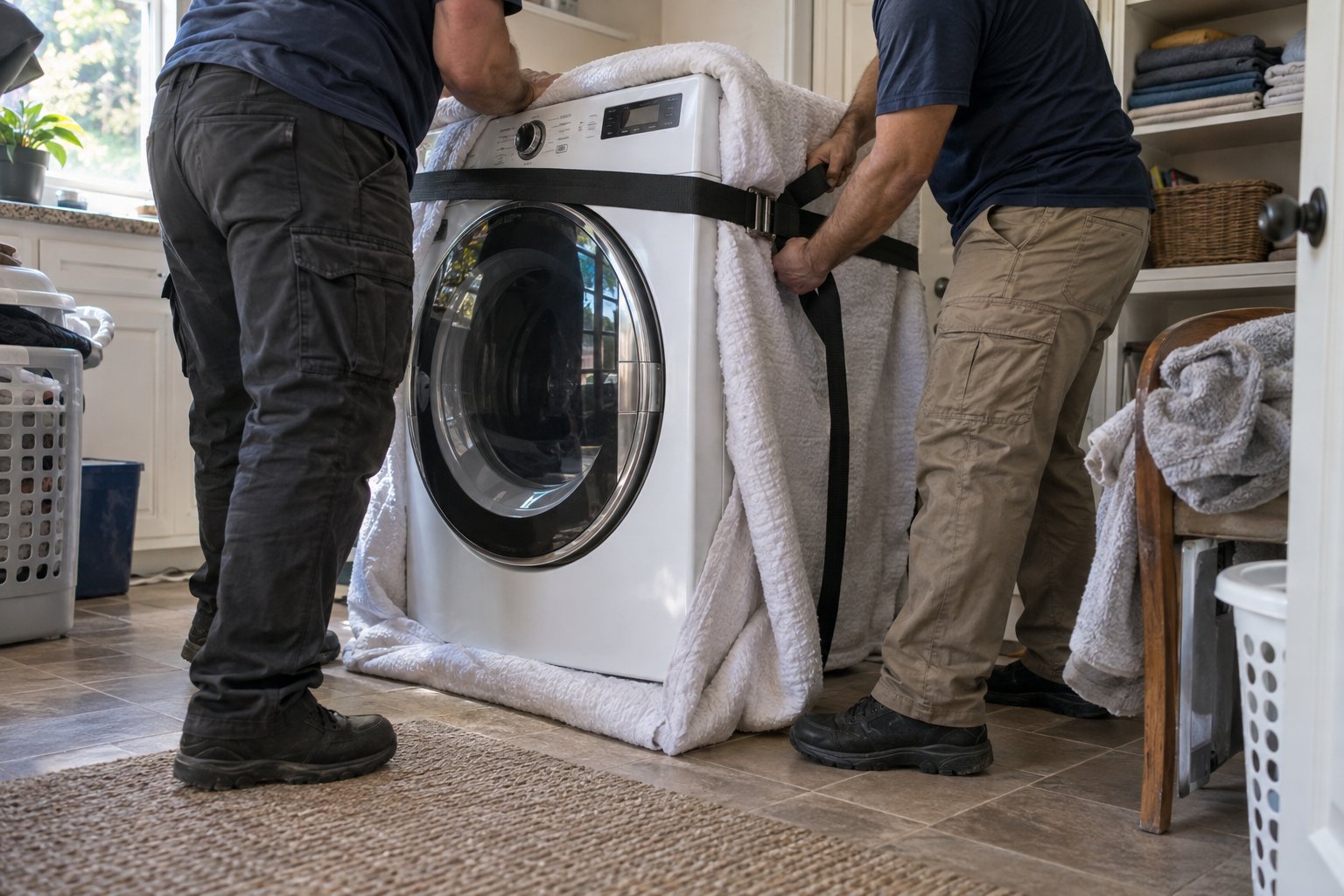
To wrap furniture for moving, cover every surface with a soft layer first, then secure it with stretch wrap. This two-layer method absorbs impact and holds drawers, doors, and loose components in place. Upholstered furniture gets a bag or cover on top; wood furniture gets blankets and corner protectors.

Different materials need different protection.
| Material | First Layer | Outer Layer | Watch Out For |
|---|---|---|---|
| Wood | Moving blanket | Stretch wrap | Scratches from tape |
| Upholstered | Plastic bag or cover | Furniture pad | Moisture and dirt |
| Glass | Cardboard + corner protectors | Stretch wrap | Cracking under pressure |
| Metal | Soft cloth | Shrink wrap | Dents and bending |
Protecting wood furniture means controlling three enemies: scratches, moisture, and impact. Clean each piece first, then remove detachable parts like legs, knobs, and handles. Wrap those parts separately and bag the hardware. Cover surfaces with moving blankets, add cardboard corner protectors, and finish with stretch wrap.
A common mistake is taping directly to finished wood. The adhesive can pull up the finish when removed. Tape only the wrap, never the surface.
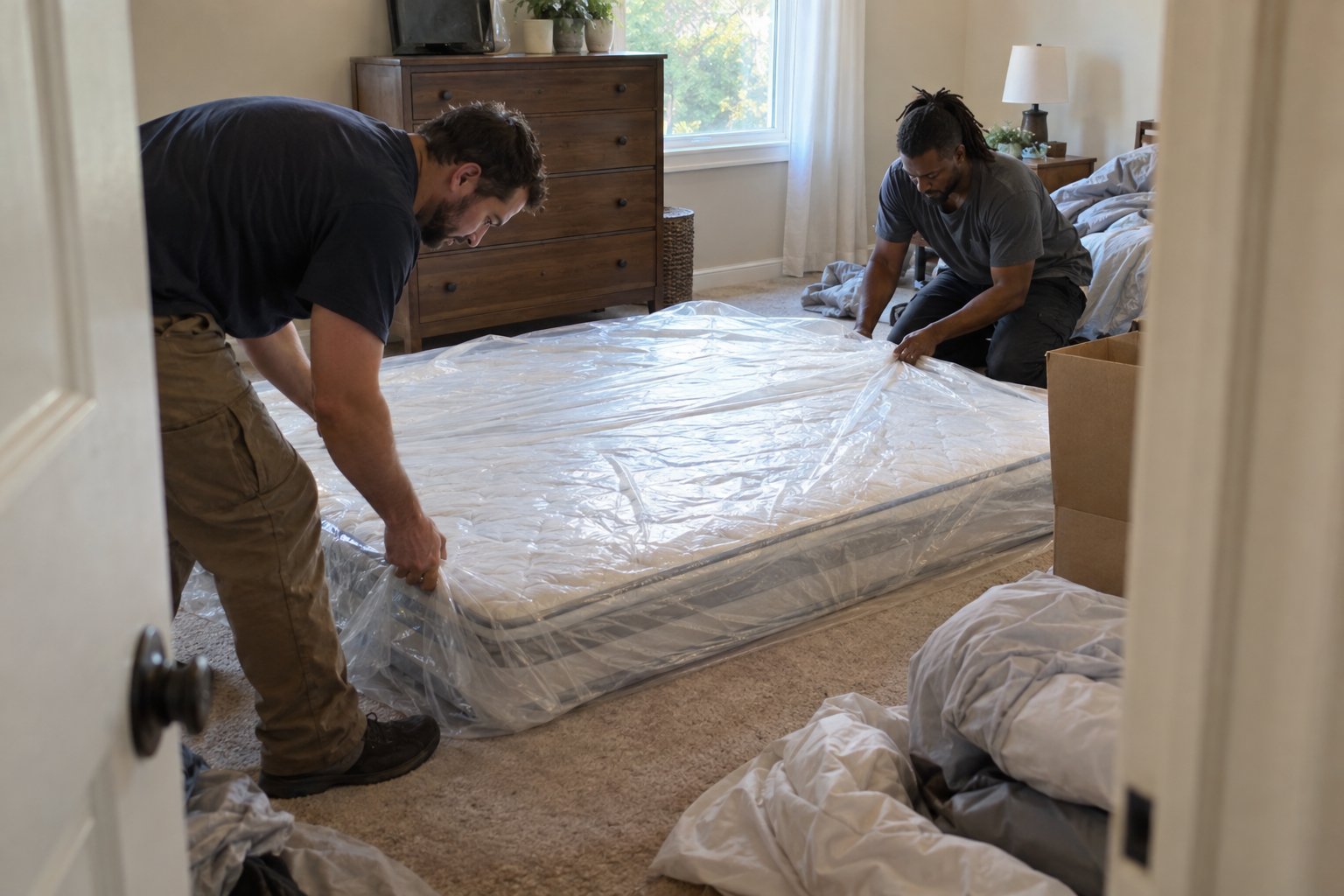
Upholstered furniture needs a cover, not just a blanket. Sofa covers and mattress bags keep out dirt, moisture, and dust during transit and storage. Remove cushions and pack them separately in bags. This keeps their shape and protects the fabric.
For long-distance moves, a plastic cover protects against rain and road grime. For short local moves, a fabric pad is often enough. Either way, secure loose fabric with stretch wrap so it does not catch on doorways.
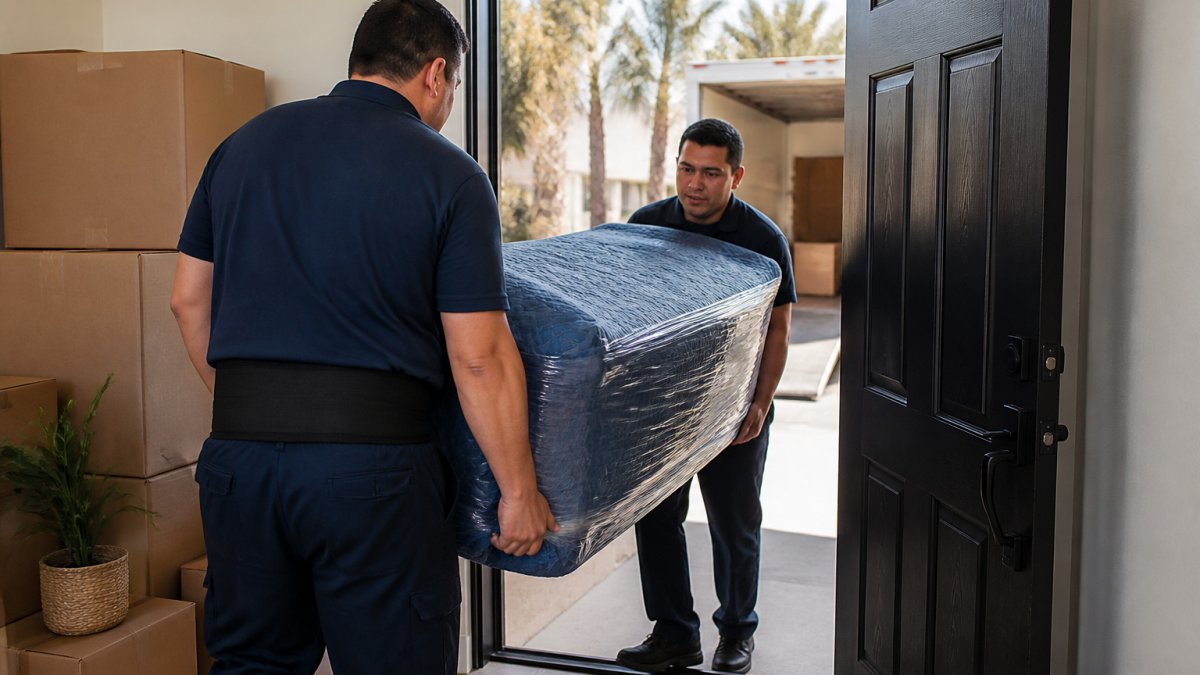
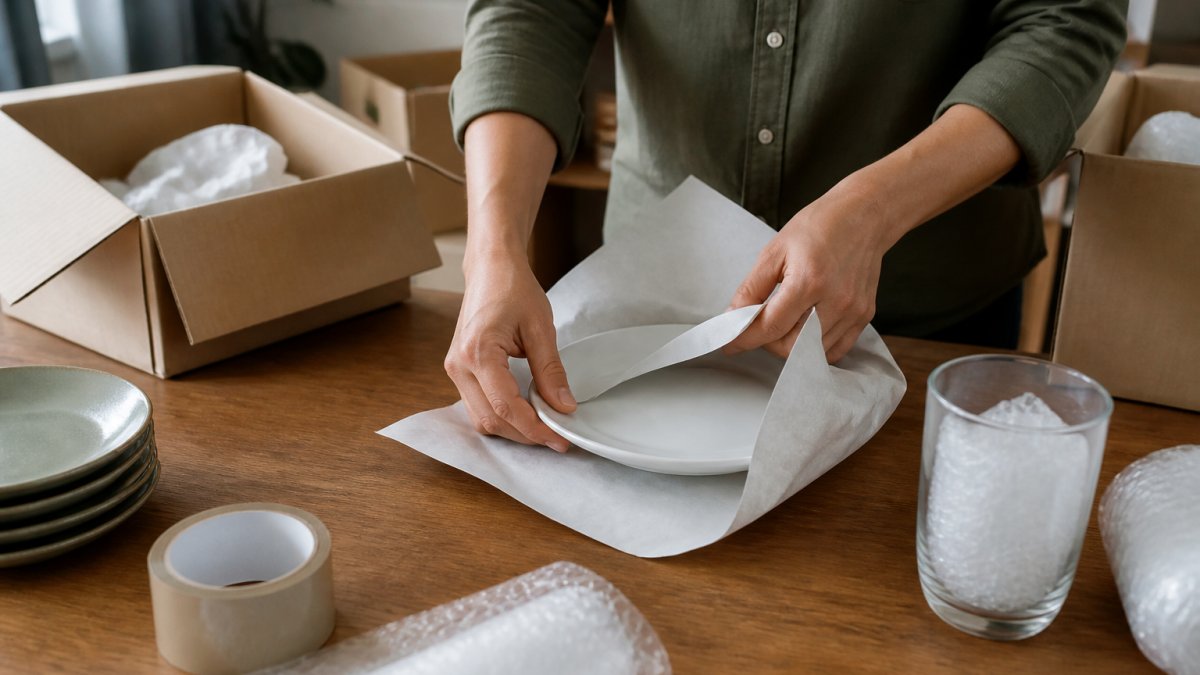
Moving heavy furniture safely comes down to technique and teamwork, not strength. Use a dolly or furniture sliders whenever possible. Clear hallways, entryways, and stairwells before you start. Map your moving path in advance so you never have to pivot a heavy item in a tight space. Securing the structural integrity of your larger pieces is only half the battle, as the same level of care must be applied to packing fragile items safely to ensure your entire household arrives in one piece.
Preventing damage to furniture during a move works best when you plan by item, not by room. Two sofas in different rooms need the same treatment; a glass-front cabinet and a leather recliner in the same room need opposite treatment. Use the room list to organize your day, then use the material rules to decide how each piece gets wrapped.
Work in this order so you are not moving wrapped pieces twice:
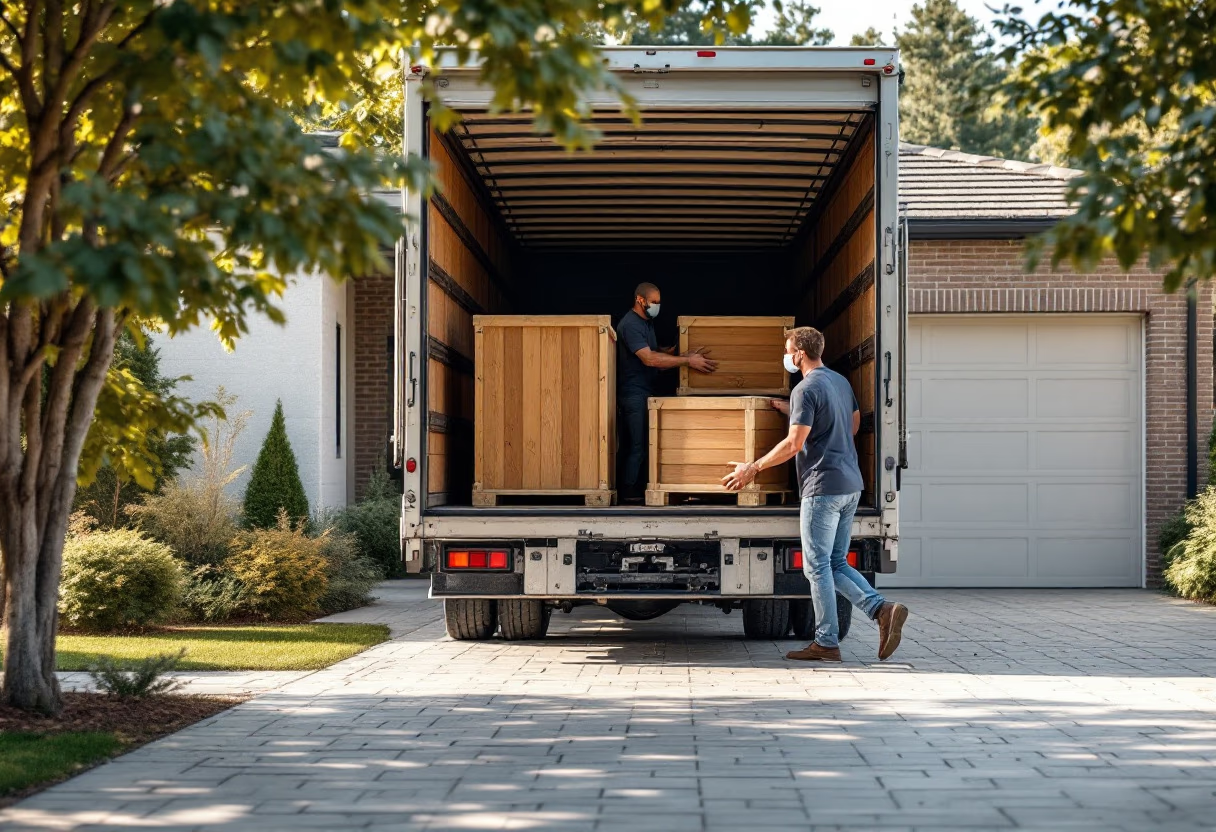
Fill empty space in the truck with pads and boxes. Items that cannot shift cannot get damaged. This is the single biggest protection against transit damage.
For long-distance moves or storage, keep furniture off concrete floors and away from direct sun. A climate-controlled unit protects wood and upholstery from humidity and heat. If you are storing for more than a month, check the unit monthly for moisture and pest activity.
Document damage the moment you spot it. Take photos from several angles before moving anything. Note the damage on the delivery paperwork before you sign. This protects your claim.
Then decide your path:
If you hired professional movers, check your contract for the claims process and any coverage terms. Report the issue in writing as soon as possible. Most carriers require prompt notice, so do not wait.
Moving day stress often comes from one fear: something you love getting scratched, cracked, or broken. Jackson’s Moving was built to remove that fear. As a family-owned, top-rated company, we offer careful handling of belongings, transparent pricing with no hidden charges, and 24/7 availability so your move happens on your schedule. Our trained professionals handle packing, local and long-distance moving, and junk removal. Get a quote from Jackson’s Moving and move with confidence.
Start by cleaning and disassembling furniture where possible. Wrap each piece with moving blankets or furniture pads, secure with stretch wrap, and use cardboard corner protectors on edges. For upholstered items, use sofa covers or mattress bags. Empty all drawers, secure doors with stretch wrap, and fill any gaps in the moving truck to prevent shifting. Clear a path through hallways and doorways to avoid scrapes. If you hire professional movers, confirm they use these protective materials as standard practice.
Moving blankets and furniture pads are the first layer for most pieces, especially wood furniture. Stretch wrap holds blankets in place and protects against moisture and scratches. Cardboard corner protectors shield edges from impact. For upholstered furniture, use sofa covers or plastic mattress bags. Glass components need bubble wrap or foam padding. Avoid using tape directly on wood or fabric surfaces, as it can leave residue or cause tears. These materials are widely available at moving supply stores or through full-service movers.
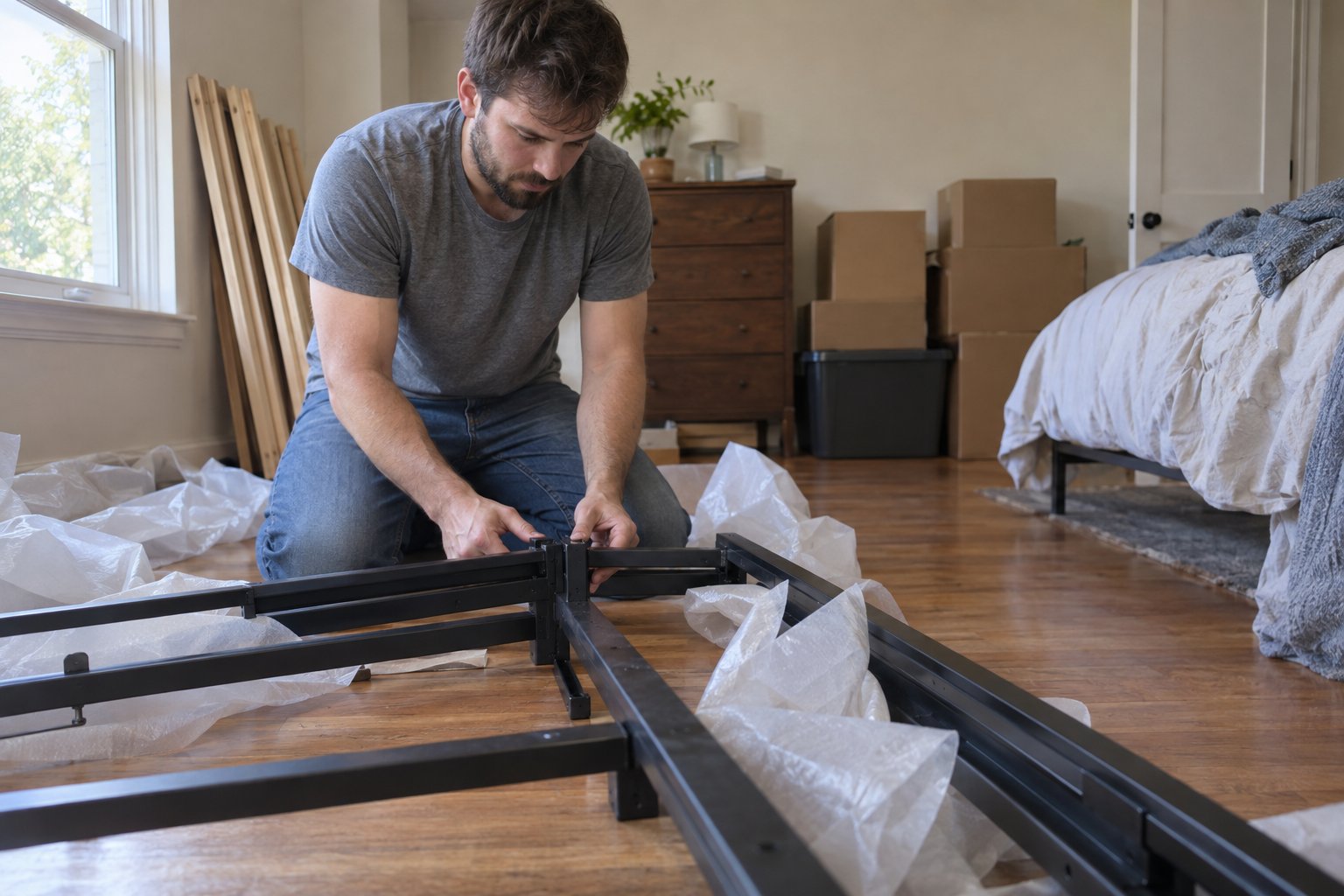
Yes, disassemble furniture whenever possible. Remove legs, shelves, drawers, and any detachable parts. This reduces the risk of damage during transit and makes pieces lighter and easier to maneuver through doorways and stairwells. Keep all hardware in a labeled plastic bag and tape it to the corresponding piece. For items you cannot disassemble, secure moving parts with stretch wrap or rope. If you are unsure how to take something apart, consult the manufacturer's instructions or ask your moving company for help.
Load heavy items first and place them against the walls of the truck. Fill empty spaces with boxes or padding to limit movement. Use straps or rope to secure larger pieces to the truck's tie-down points. Stack lighter items on top of heavier ones, and never leave gaps that allow furniture to slide. For long-distance moves, check the load periodically if possible. Professional movers are trained to pack trucks tightly and use proper restraints to prevent shifting and impact damage.
Read genuine feedback from our satisfied customers to understand why we are the trusted choice for moving services.
From Phoenix to communities across the Valley, Jackson's Moving is here when you need residential, commercial, or long-distance moving services. Request your free quote today.