Written by:
Jacksons Moving
Published:
July 27, 2026
Weighing DIY moving against hiring professionals? Compare true costs, time, risk, and effort to decide which option makes sense for your next move.
Every move eventually comes down to one big decision: rent a truck and do it yourself, or hire professionals to handle it for you. The DIY moving vs. professional movers question isn't just about money. It's about time, physical effort, risk, and how much stress you're willing to take on. Both approaches can work well depending on your situation, but the right choice depends on factors many people don't consider until moving day is already underway.
This guide breaks down the real costs and tradeoffs of each option so you can make an informed decision before you commit to a plan.
On paper, a DIY move looks cheaper. A rental truck, some boxes, and a free Saturday with friends seem like the budget-friendly path. But the full cost picture is often more complicated than the sticker price of a truck rental.
Hiring a full-service moving company costs more upfront, but that price typically includes labor, equipment, a properly sized truck, fuel, and some level of liability coverage. For larger households, such as a 4-bedroom house move, the efficiency of an experienced crew can offset a meaningful chunk of the price difference simply by finishing the job faster and with fewer repeat trips.
Time is one of the most underestimated factors in the DIY vs. professional movers decision. Loading, driving, and unloading a rental truck yourself typically takes far longer than most people expect, especially if you're also managing packing, cleaning, and coordinating helpers at the same time.
Professional movers bring practiced systems for loading a truck efficiently, protecting furniture, and navigating tight stairwells or hallways. What might take a DIY crew an entire exhausting day can often be completed by a trained team in a fraction of the time, freeing you up to handle other moving-day logistics instead.
There's also the physical toll to consider. Moving heavy furniture and dozens of boxes is strenuous work, and injuries like back strain or pulled muscles are common among people who aren't used to this kind of labor. If you have a small household, like a 2-bedroom apartment, DIY may be manageable. For anything larger, the physical demands scale up quickly.
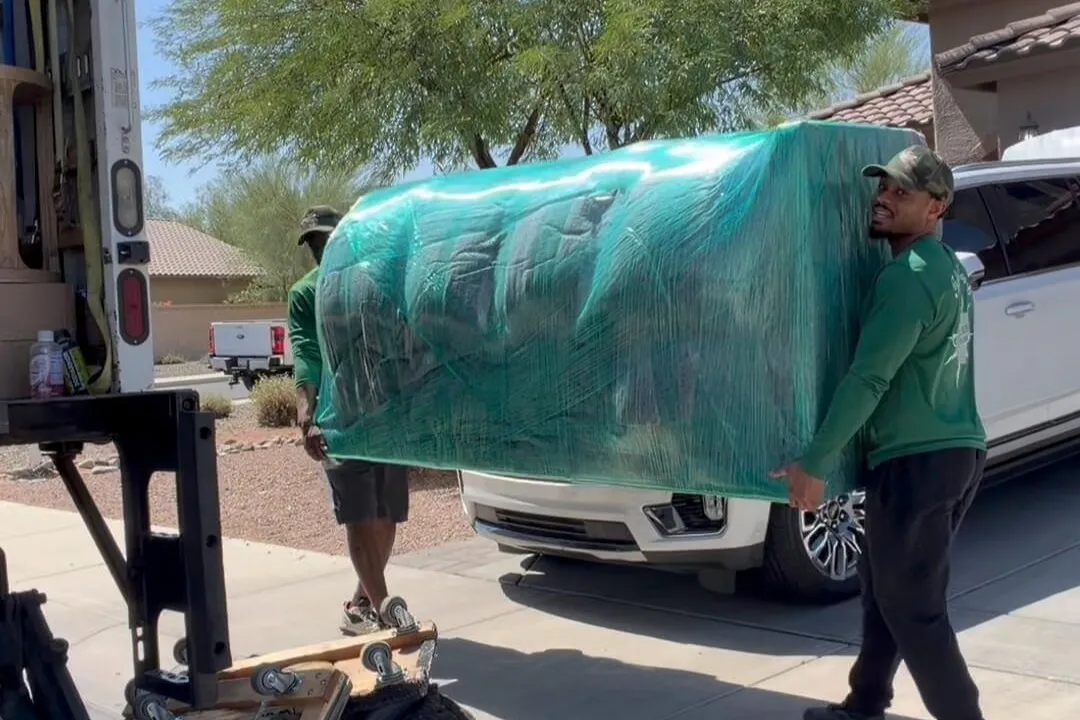
One of the biggest advantages professional movers offer is risk mitigation. Experienced crews know how to wrap furniture, protect floors and walls, and secure items properly inside a moving truck so nothing shifts during transit. DIY movers, especially those without much moving experience, are more likely to damage furniture, scuff floors, or scratch walls in tight doorways. If you're worried about protecting your home's surfaces during a move, this guide on how to move furniture without damaging floors or walls covers techniques that both DIY movers and professional crews rely on.
There's also the question of liability. Most truck rental companies offer limited protection, and any damage beyond that is generally your responsibility. Professional movers typically carry insurance, and many companies offer additional moving insurance for extra peace of mind on higher-value items.
DIY moving isn't a bad choice for everyone. It tends to work best when:
If your situation checks most of these boxes, a DIY move can save money without adding excessive stress. Just be sure to budget realistically for supplies, rental fees, and the time commitment involved.
On the other hand, professional movers tend to be the better choice when:
Many people also choose a middle-ground option: hiring movers for the heavy lifting and loading while handling their own packing, or vice versa. Services like professional packing can be added individually depending on your budget and needs, giving you flexibility without committing to a fully DIY or fully professional move.
There's no universally right answer to the DIY vs. professional movers debate. It comes down to your budget, your timeline, the size of your move, and how much risk and physical effort you're willing to take on yourself. Take an honest look at your situation, get a few moving quotes to compare against DIY costs, and make the choice that actually fits your life rather than the one that just sounds cheaper on paper.
It depends on the size of your move and how you value your time. DIY moving often looks cheaper upfront, but truck rentals, fuel, supplies, and potential damage costs can close the gap quickly, especially for larger households.
It's generally a good idea to book several weeks ahead, especially during busy moving seasons, since availability for your preferred dates can fill up quickly in high-demand markets.
Yes, many moving companies offer partial services such as packing help or loading and unloading only, which can be a good middle ground between a fully DIY move and a full-service move.
Smaller moves, like studio or one-bedroom apartments with minimal furniture and a short distance to travel, tend to be the most manageable for a DIY approach.
Most professional moving companies carry some level of liability coverage, and many also offer additional moving insurance options for higher-value items or extra peace of mind.
Read genuine feedback from our satisfied customers to understand why we are the trusted choice for moving services.
From Phoenix to communities across the Valley, Jackson's Moving is here when you need residential, commercial, or long-distance moving services. Request your free quote today.