
Written by:
Editorial Team
Published:
October 16, 2026
Last Updated: October 16, 2026
Most people learn how to avoid surprise moving fees the hard way: on moving day, when the bill is bigger than the quote. The fix starts weeks earlier, with a written estimate you actually understand.
A moving estimate is a written document listing what your move will cost and what that price covers, not a casual text or phone number.
Ask for a fee breakdown, not a single total. A complete estimate should show:
If a line item is missing, ask why. Gaps are where hidden fees hide.
An in-home walkthrough means a mover sees your belongings in person before quoting. A virtual survey happens by video call. Both beat a phone-only quote, because a real moving quote depends on item volume and access, not guesses.
The FMCSA guidance for moving customers explains why you should never accept a phone-only estimate for an in-person move. In practice, a virtual survey works fine for studio and one-bedroom moves.
A binding estimate locks in your price for the listed services, even if the move takes longer.
This single distinction decides whether your surprise moving fees are legal or not. Know which document you signed before you sign it.
| Estimate Type | Price Can Change? | Best For | Watch Out For |
|---|---|---|---|
| Binding | No, for listed services | Fixed budgets, full homes | Void if you add items |
| Nonbinding | Yes, up or down | Flexible timelines | Final bill based on actuals |
| Binding-not-to-exceed | No, it's a ceiling | Nervous first-time movers | Requires accurate inventory |
A binding-not-to-exceed estimate is the safest middle ground for most households. The final bill can come in lower, but it cannot go above the quoted ceiling.
The best way to avoid surprise moving fees is to ask direct questions before you pay a deposit. A reputable moving company will answer all of them in writing; evasive answers are your signal to walk away.
Ask these before signing anything:
A moving inventory checklist is a room-by-room list of every item you're moving, including its condition before the move. It prevents more billing disputes than any other step and protects you if something arrives damaged.
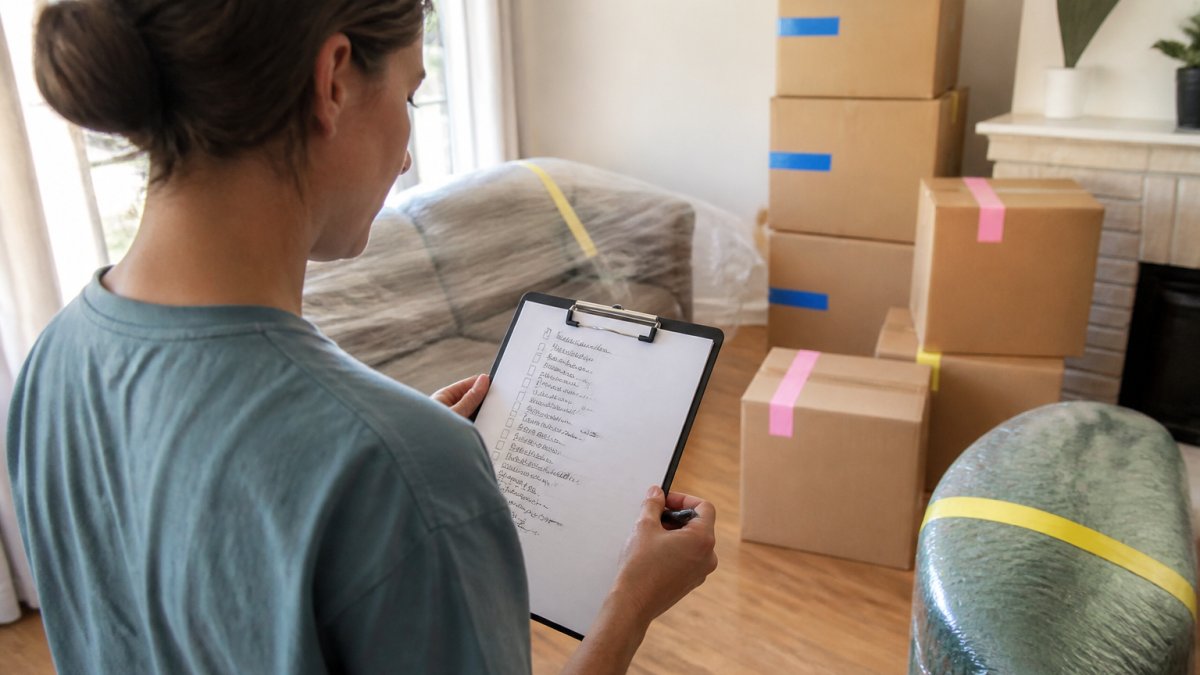
Build yours in four passes:
Access drives price more than most people realize. Note every flight of stairs, whether there's an elevator, and how far the truck can park from your door.
Also record parking restrictions and building rules about truck access. If your building requires a reserved elevator or loading dock slot, tell the mover up front, surprises at the curb become line items on your bill.
Most unexpected costs fall into a handful of categories. Knowing them in advance turns a nasty surprise into a planned expense.
For long-distance moves, cost often ties to shipment weight; for local moves, it's usually hours plus item volume. Both rise if the crew walks farther than expected or the truck can't get close.
Common add-ons include:
Some items need special handling, and that costs more. Pianos, pool tables, gun safes, aquariums, and large artwork often require extra crew, custom crating, or a stair carry. Fragile items like glass tabletops and mirrors may need special boxes and padding.
Tell your mover about these items during the estimate, not on moving day. A surprise piano is the fastest way to blow your moving budget.
Comparing estimates by total price alone is a mistake, two quotes for the same move can differ by hundreds of dollars once you line up the details. Here is a worksheet you can build in a spreadsheet in about ten minutes.
Create one row per cost category and one column per mover. Start with the categories, not the totals. If a mover left a category blank, write "NOT LISTED", blank cells are where surprise moving fees hide.
| Category | Mover A | Mover B | Mover C |
|---|---|---|---|
| Estimate type (binding / nonbinding / binding-not-to-exceed) | |||
| Base rate or flat fee | |||
| Packing labor | |||
| Packing materials (boxes, tape, wrap) | |||
| Loading and unloading labor | |||
| Mileage / fuel surcharge | |||
| Travel time (origin and destination) | |||
| Stairs / elevator / long carry | |||
| Shuttle service | |||
| Special handling (piano, safe, artwork) | |||
| Storage / delayed delivery | |||
| Valuation coverage level and cost | |||
| Deposit and payment terms | |||
| Total |
A low total with missing line items is not a deal, it is a future dispute. The cheapest quote often has the most blanks, and those blanks become surprise moving fees on delivery day.
You have rights when the final bill doesn't match your estimate. The key federal protection for interstate moves is the 110% rule: if you received a nonbinding estimate and the mover requires payment before delivery, the mover generally cannot demand more than 110% of the estimated charges before releasing your goods, and must deliver once you pay that amount. The FMCSA rules on moving disputes explain this in detail.
The rule is narrower than most people assume:
If your estimate was binding or binding-not-to-exceed, your argument is simpler: the mover agreed to a price or ceiling, and any charge above it needs written justification tied to services you authorized.
Gather these in one folder, paper or digital, before you contact anyone:
A complaint does not automatically reduce your bill. It creates a record, triggers the mover's obligation to respond, and gives a regulator grounds to investigate patterns. Most disputes that resolve in the customer's favor do so because the customer had a signed written estimate, an itemized final bill, and a written record of what was authorized, the same documentation that prevents surprise moving fees in the first place.
Get a written estimate after an in-home walkthrough or virtual survey, not a phone quote. Ask for a line-by-line fee breakdown covering labor, mileage, fuel surcharge, packing materials, and any access charges. Confirm whether the estimate is binding or nonbinding before you sign the moving contract. Keep a copy of the bill of lading and compare your inventory list against the final bill. Reputable moving companies will put every charge in writing upfront, so anything added later should be documented and explained.
Common additional charges include stairs or elevator access, long carry fees when the truck cannot park close to your door, shuttle service for narrow streets, packing materials, bulky item handling, and storage fees if delivery is delayed. Fuel surcharges, mileage, and travel time may also appear. Some companies charge for extra stops or a destination change. Review your moving estimate checklist against the final bill so you can spot any line item that was not discussed before moving day.
It depends on what you sign. A binding estimate locks in the price based on the inventory and services listed, so the total will not change unless you add items or services. A nonbinding estimate is an educated guess and the final cost can go up or down based on actual shipment weight or item volume. Ask which type you received, get it in writing, and understand that even binding estimates have limits if your inventory changes.
Request an itemized final bill and compare it line by line to your written estimate and bill of lading. Ask the moving company to explain each additional charge in writing. If you believe the charges are unfair or violate your moving contract, file a complaint with the appropriate state or federal regulator and keep all documentation, photos, and correspondence. Paying under protest in writing can preserve your right to dispute later.
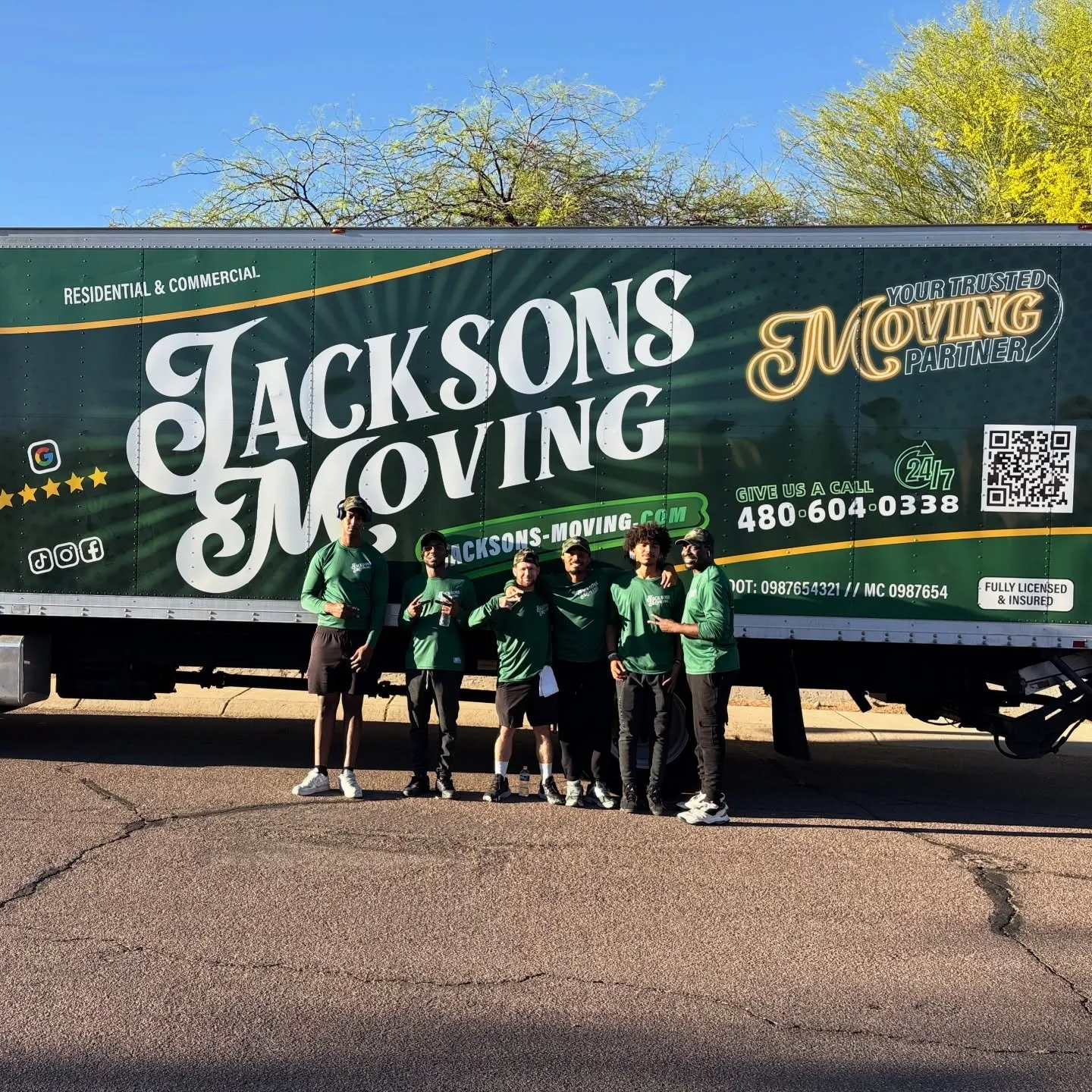
Moving day shouldn't come with a bigger bill than the one you agreed to. Jackson's Moving is a family-owned company built on transparent, straightforward pricing, so the number you see at booking is the number you pay. Our trained professionals handle packing, loading, and careful placement of your belongings, and we're available around the clock to answer questions before, during, and after your move. Get a quote from Jackson's Moving and move with a price you can trust.
Read genuine feedback from our satisfied customers to understand why we are the trusted choice for moving services.
From Phoenix to communities across the Valley, Jackson's Moving is here when you need residential, commercial, or long-distance moving services. Request your free quote today.