

Written by:
Editorial Team
Published:
October 20, 2026
Last Updated: October 19, 2026
Hiring movers for a small apartment move looks simple until the third flight of stairs, the narrow stairwell turn, or the building's freight elevator window changes everything.
A small apartment move is a relocation where the total volume of goods fits a partial truckload, typically a studio, one-bedroom, or condo.
That's why a written plan beats a verbal promise. Below, we'll show you exactly how to decide whether to hire help, compare quotes, and run moving day without surprises.
Key Takeaway
The real cost driver on a small apartment move isn't the number of boxes. It's access: stairs, elevator reservations, and how far the truck parks from the door.
Hiring movers is worth it when your time, your back, or your building's rules make a DIY move risky. A common approach is to price out three things: truck rental, your own hours, and the cost of replacing anything you drop.
Run this quick test before you call anyone:
Labor-only help makes sense when you've already packed, rented a truck, and just need loading and unloading muscle. Full-service moving fits better when you want packing assistance, furniture disassembly, and a crew that handles the whole job start to finish. If your building requires a certificate of insurance before the elevator can be reserved, a licensed full-service company usually solves that faster.
A one-bedroom apartment moving cost depends on load size, access, distance, and timing, not a single flat number. Pricing varies by provider and season, so ask for a written, itemized quote rather than a phone estimate. The useful move is to understand what each line item actually buys you, so you can compare quotes like-for-like instead of chasing the lowest bottom line.
Most quotes bundle these line items:
Several factors move the number up or down. Treat each as a lever you can plan around:
A practical approach is to build the budget from the bottom up rather than guessing at a total:
Pro Tip
Ask each provider for the projected total in writing, crew size, estimated hours, and every fee, not just the hourly rate. A quote you can line up side by side is the only quote you can actually compare.
For current rates, request a quote directly from Jackson's Moving rather than relying on a generic estimate.
A moving company minimum charge is the smallest billable amount, usually expressed in hours, that a crew will book regardless of how fast the job finishes. It exists because dispatching a truck and trained crew has fixed costs.
On a small load, the minimum can dominate your bill. If a crew's minimum is three hours and your studio takes ninety minutes to load, you still pay the minimum.
Watch Out
The biggest quote mistake on small loads is comparing hourly rates alone. A lower hourly rate paired with a four-hour minimum can cost more than a higher rate with a two-hour minimum.
Compare small-move quotes line by line, not by the bottom-line total. Two quotes can land within a few dollars of each other while covering completely different work.
Use this checklist when reviewing each estimate:
Verify licensing and coverage before you sign. The Federal Motor Carrier Safety Administration regulates interstate movers and publishes consumer protection guidance. The Consumer Financial Protection Bureau offers general guidance on avoiding moving-related payment scams.
Pro Tip
Ask each provider to send the estimate in writing and to note the minimum hours explicitly. A company that hesitates to put terms in writing is telling you something.
The right questions to ask movers separate a professional operation from a risky one. Ask them before you pay a deposit, and listen for clear, direct answers.
Start with these:
Scam red flags include demands for large cash deposits upfront, no physical business address, quotes far below every competitor, and pressure to sign on the spot. A legitimate company will happily provide its license details, insurance certificate, and a written estimate. Verify the name and address against official records before booking.
Apartment access rules decide how fast a crew can work, and speed affects your bill. Most small-move surprises are building logistics, not furniture: a freight elevator that isn't reserved, a certificate of insurance the manager never received, or a truck that can't legally park at the door. Handle these before moving day and the crew walks into a clear path.
Confirm each of these with your building manager and get the answers in writing:
A long carry happens when the truck can't park close and the crew has to move items a significant distance, down a hallway, across a courtyard, or up multiple flights.
The fix is disclosure. Tell your mover about stairs, elevator restrictions, parking distance, and any tight turns when you request the quote, not on moving day. A quote built on accurate access information is the only quote that holds up.
Watch Out
A certificate of insurance is the most common moving-day bottleneck on apartment moves. Request it from your mover and deliver it to your building manager at least several business days before the move, not the morning of.
A moving day checklist for an apartment keeps a small job from turning into a long one. Prepare the path before the crew arrives, and the whole day runs faster.

Work through these steps:
Key Takeaway
On a small apartment move, preparation is the cheapest labor you'll ever buy. Every minute you save the crew is a minute off your bill.
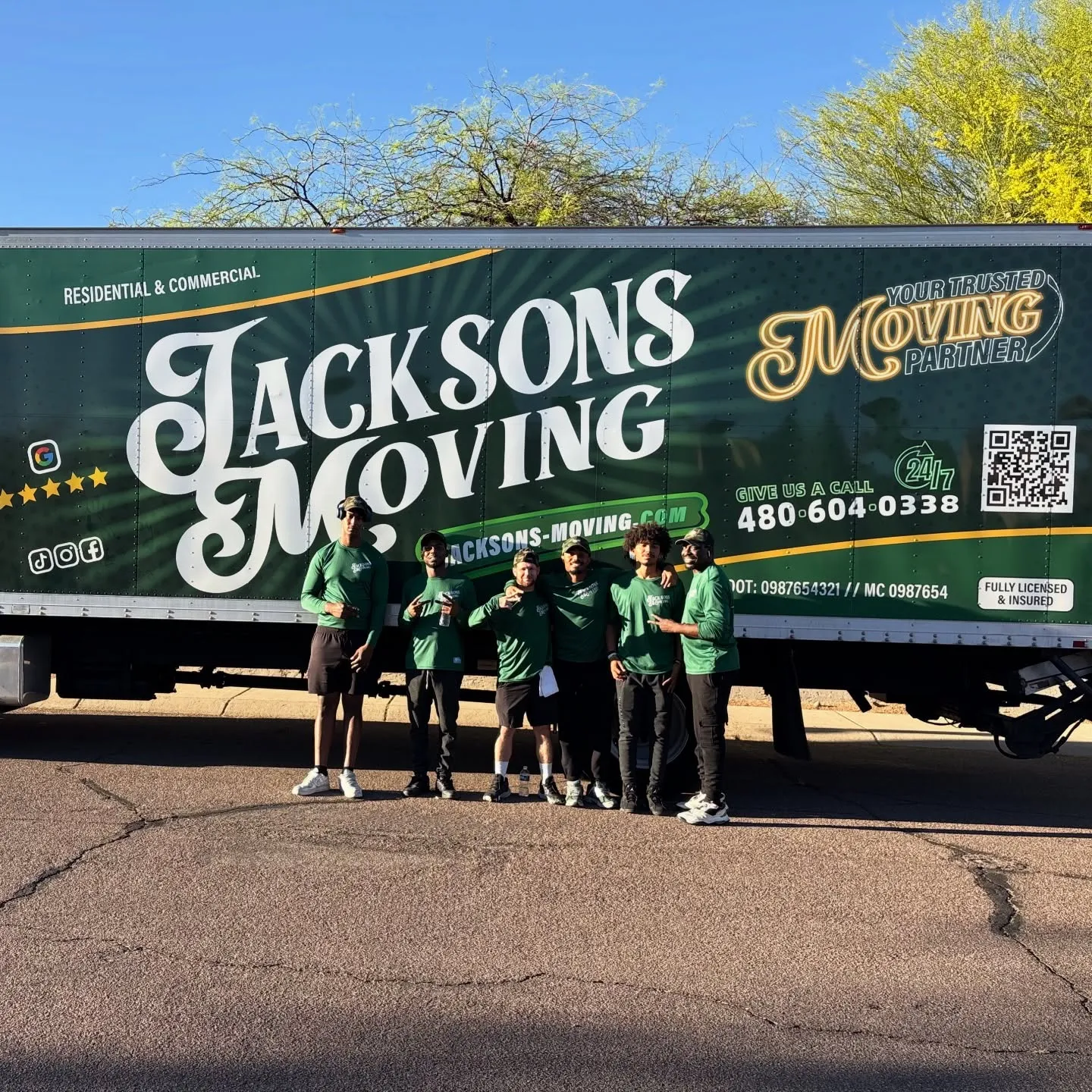
Moving a small apartment still takes a real plan, and the details that trip people up are access, minimums, and unverified quotes. Jackson's Moving is a family-owned company built on transparent, straightforward pricing with no hidden charges, and experienced crews who handle belongings with care.
Most moving companies apply a minimum charge, often expressed as a set number of hours or a flat floor price, even if your small apartment move takes less time. That minimum covers truck dispatch, crew wages, fuel, and travel. Ask for the minimum in writing before booking, and confirm whether travel time counts toward it. If your load is only a few items, a labor-only crew paired with a rental truck can sometimes cost less than a full-service minimum.
Two to four weeks is a safe window for a small apartment move, and longer if you are moving at the end of a month or on a weekend when demand peaks. Last-minute small moves are sometimes possible because crews can fit a short job between larger ones, so call even if your date is close. Booking early also gives you time to compare at least three written quotes and verify each company's reviews and licensing.
Pricing depends on your load size, stairs or elevator access, distance, and the company's minimum charge, so no single figure applies. A studio with a few bulky items and no elevator typically lands at the low end of a company's hourly range, while added packing assistance or long carries push it up. Request itemized quotes from several providers and compare the total, not just the hourly rate.
Ask whether the quote is binding or hourly, what the minimum charge is, and whether travel time and stairs are included. Confirm that the crew is employed or vetted by the company, request proof of insurance, and ask how damage claims are handled. Also ask about cancellation policies and whether packing materials are included. Getting these answers in writing protects you from surprise fees on moving day.
Read genuine feedback from our satisfied customers to understand why we are the trusted choice for moving services.
From Phoenix to communities across the Valley, Jackson's Moving is here when you need residential, commercial, or long-distance moving services. Request your free quote today.