
Written by:
Editorial Team
Published:
October 19, 2026
Last Updated: October 19, 2026
Learning how to verify moving company reliability is the best defense against lost belongings, surprise fees, and last-minute cancellations.
Most people book a mover in a hurry and skip the checks, exactly when problems start.
Moving company reliability is the degree to which a mover holds valid registration, carries proper insurance, keeps a clean safety record, and earns consistent customer trust.
Here's how to run that check, step by step, in about 15 minutes.
Federal registration comes first because it's the fastest way to spot a fake. For moves across state lines, a legitimate mover must hold active operating authority from the Federal Motor Carrier Safety Administration. No valid authority means the company shouldn't be hauling your goods interstate.
Here's how to run the check:
A USDOT number is the unique ID the federal government assigns to a commercial carrier. Every interstate mover should hand it over without hesitation.
To check a moving company's USDOT number, use the FMCSA's SAFER company snapshot system. Type the number into the search field. The record should show the legal business name, address, and operating status.

The MC number is the carrier's operating authority number, issued alongside the USDOT number. Both should appear on the company's website, estimate, and contract.
Watch for a common trick: a broker advertises under one name but books your move with a different carrier. That's not automatically illegal, but you deserve to know who actually shows up. Ask directly: "Are you the carrier, or are you brokering this move?" Get the answer in writing.
Insurance is where confusion costs people the most money. Federal rules require interstate movers to carry liability coverage, but that is not full-value protection. What protects you is understanding three separate things, liability, cargo insurance, and valuation, and which document proves each.
A mover saying "we're fully insured" tells you nothing about your valuation. Ask instead: "What valuation level is included in this estimate, and what does the upgrade cost?"
Ask for written coverage options before you book, and confirm the option on the estimate matches the bill of lading. If they disagree, the bill of lading generally controls, reconcile before pickup day.
For moves that never cross a state line, insurance and registration rules come from your state's regulator, not the federal government, and requirements vary widely. Call your state's consumer affairs or transportation office and ask two questions: what liability coverage local movers must carry, and whether the mover holds a current state license. Get the answer in writing and keep it with your contract.
A clean safety record won't guarantee a perfect move, but a bad one is a loud warning. The FMCSA publishes safety data for licensed interstate carriers, including inspections and crash history. The step most guides skip is what to do when the lookup returns something unexpected, an inactive record, a name that does not match, or no record at all.
To review a mover's safety record:
Read reviews with a filter. Look for complaints about the same problem repeating, such as surprise charges or damaged furniture. One angry review is noise. Ten similar ones is a signal.
This is what separates real verification from a box-check. Work through these cases in order.
The record is inactive or revoked. An inactive authority means the mover should not be hauling interstate household goods.
No record can be found for the USDOT number. Confirm you typed it correctly and searched by legal name too.
The authority is active but the insurance cannot be confirmed. Ask for the certificate of insurance and check the policy dates.
Spotting moving company red flags early saves you from the worst outcomes. These should end the conversation:
The right questions to ask a moving company before hiring reveal more than any brochure. Ask these directly and listen for clear, written answers:
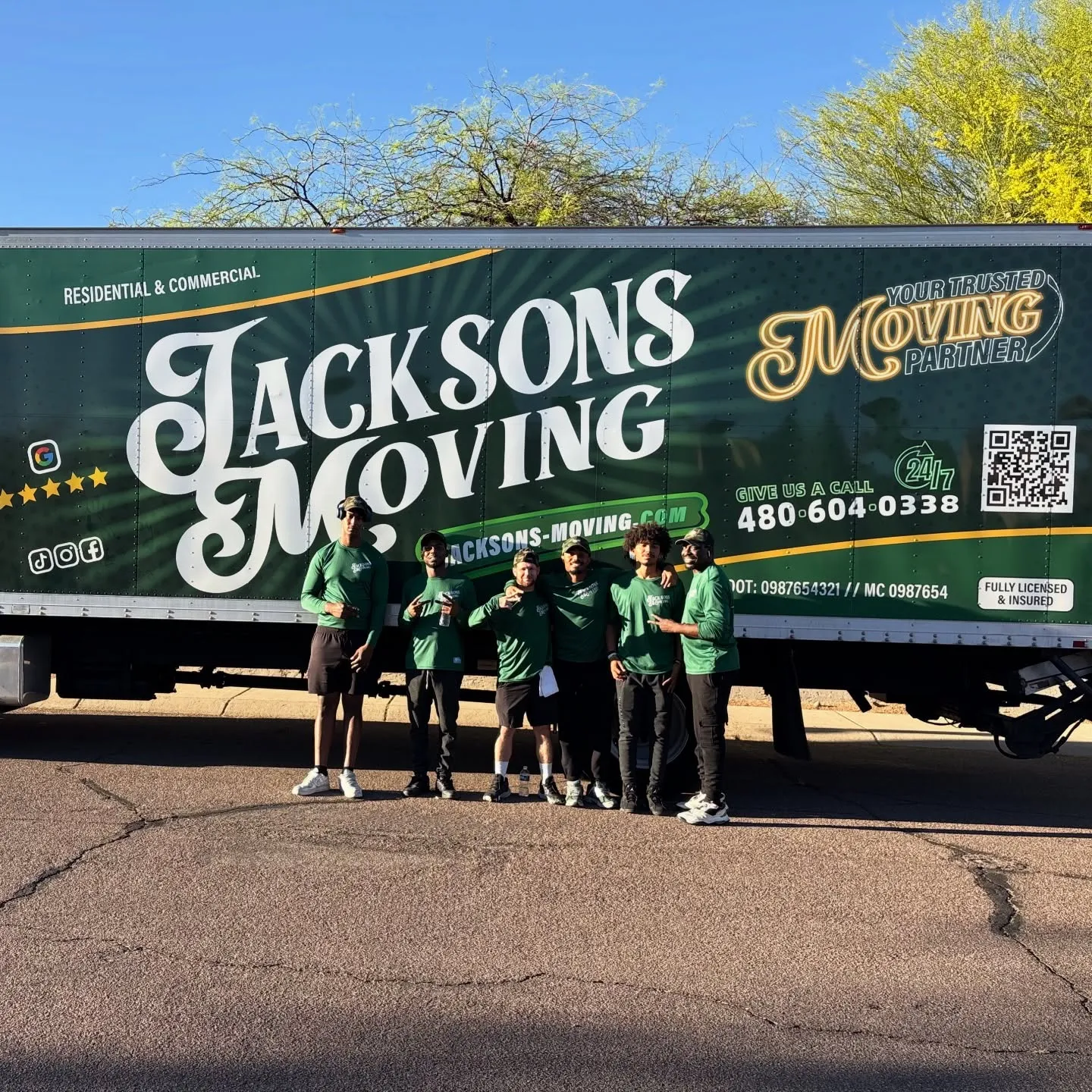
At Jackson's Moving, we answer these upfront because transparency builds trust. We're family-owned, we publish straightforward pricing, and we're available 24/7.
A moving company estimate checklist turns vague quotes into apples-to-apples comparisons. Use this before you sign:
Compare at least three written quotes side by side. The lowest number isn't always the best deal if the fees are hidden.
| Verification Step | What to Check | Where to Look |
|---|---|---|
| Federal registration | Active USDOT and MC numbers | FMCSA lookup tool |
| Legal name | Matches website and contract | Company documents |
| Insurance | Certificate on file | Request from mover |
| Safety record | Inspections and crashes | FMCSA records |
| Reputation | Repeat complaints | Reviews and state databases |
| Estimate | Written and itemized | Signed quote |
Verification takes 15 minutes and protects everything you own. Check registration, confirm insurance, read the safety record, and compare written estimates, every time.
If you'd rather skip the guesswork, Jackson's Moving makes it easy. We're family-owned, we offer transparent pricing with no hidden charges, and our trained crews handle your belongings with care. We're available 24/7 and answer your questions before you commit.
Start by checking the company's federal registration on the FMCSA website. Look up the USDOT number and confirm the legal business name matches what you were given. Verify the MC number for interstate moves, review insurance coverage, and check safety records for reported incidents. Then read customer reviews across multiple platforms and compare written estimates. A legitimate mover will provide all this information without hesitation and will never demand a large cash deposit upfront.
Common moving company red flags include refusing to provide a written estimate, demanding a large cash deposit before the move, not having a USDOT number, using a generic email address, and having no physical business address. Be wary of movers who quote significantly lower than competitors, ask you to sign blank contracts, or show up in unmarked trucks. Also watch for high-pressure sales tactics and companies that cannot produce proof of insurance when asked.
Look for reviews that mention specific details like crew names, dates, and exact services performed. Genuine reviews often include both positives and minor negatives. Check multiple platforms such as Google, Yelp, and the Better Business Bureau. Be suspicious of a sudden flood of five-star reviews with generic language or reviews posted within a short timeframe. Also verify that the company responds professionally to negative feedback rather than arguing or deleting comments.
Ask for their USDOT and MC numbers, proof of insurance, and whether they use employees or subcontractors. Request a written estimate and confirm what it includes. Ask about their cancellation policy, claims process, and how they handle damaged items. Inquire about additional fees for stairs, long carries, or packing materials. Finally, ask for references from recent moves similar to yours and confirm the crew's training and background checks.
Read genuine feedback from our satisfied customers to understand why we are the trusted choice for moving services.
From Phoenix to communities across the Valley, Jackson's Moving is here when you need residential, commercial, or long-distance moving services. Request your free quote today.