
Written by:
Editorial Team
Published:
November 1, 2026
Last Updated: November 1, 2026
Quick Summary
A long distance moving cost estimator in 2026 gives you a price range, not a final bill, since actual cost is calculated according to the mover's tariffs. Use a moving cost estimator to set a budget range, then verify every assumption with a written, itemized quote.
A long distance moving cost estimator in 2026 gives you a price range, not a final bill. That distinction matters more than any single number a calculator spits out.
Online figures vary wildly. Published 2026 estimates put long-distance moves anywhere from $800 to $12,000 depending on volume, according to Extra Space Storage's moving cost calculator. Another source, FreightWaves Checkpoint, puts the range at $1,500 to $8,500 or more.
Here's the key point most guides skip: the Federal Motor Carrier Safety Administration's guidance on estimating charges states that actual cost is calculated according to the mover's tariffs. A calculator range alone never establishes what you owe.
So treat an estimator as a budgeting tool. It tells you the neighborhood. The written quote tells you the address.
Use a moving cost calculator to set a budget range, then verify every assumption behind it. Most people do this backwards: they run one calculator, screenshot the number, and stop shopping.
The inputs that change the number most:
Weight and distance are the two levers you can actually measure. Everything else is a modifier. Get a written inventory first, then estimate weight from it. Guessing your household belongings by eyeballing a closet is how estimates drift 30% off course.
Cost ranges are wide because the underlying variables are wide. A small apartment move is estimated at about $4,070 in 2026, per MyGoodMovers' long-distance cost guide, while the broader range for most moves runs $2,197 to $16,897.

For a real pricing breakdown of what movers actually charge, our guide on what movers cost walks through the drivers line by line.
Long-distance moves are often priced in distance bands, and each band can have a different cost structure:
Weight is the single biggest cost driver inside any distance band. The table below shows typical weight ranges and how they translate into cost tiers:
Moving up in home size generally adds weight, and larger homes often include bulky items that add to the cost.
Take a 960-mile interstate move. U.S. News & World Report's 2026 moving company review reports standard-service estimates of $6,277 to $8,964 for that distance, and full-service estimates of $9,061 to $11,164.
That gap, roughly $3,000, is the price of not lifting a box. If you're moving out of a two-bedroom apartment, our 2-bedroom apartment moving service covers how furniture handling and scheduling work for exactly this size of move.
Now stretch the same three-bedroom household across 1,800 miles. A 3-bedroom home typically weighs 7,000-10,000 pounds. At a common weight-based rate of $0.50-$0.80 per pound, the transportation line alone runs $3,500-$8,000 before fuel surcharges, packing, and access fees. Add a fuel surcharge (often 5-10% of the linehaul), packing for a 3-bedroom (commonly $1,200-$2,500), and a shuttle fee if the truck cannot reach the door, and the full-service total often lands between $8,000 and $14,000.
Key Takeaway
Distance and home size both affect a move's cost. Get both right before you compare quotes, or you may be comparing two different shipments.
When you run a long-distance moving cost estimator, enter your actual home size and the real mileage between addresses, not the mileage between city centers. A 50-mile difference in a rural area can change the labor day count and the delivery window. If the estimator asks for weight, use the table above as a starting point, then refine it with a written inventory.
A binding estimate locks the price. A nonbinding estimate is an educated guess that can rise or fall at delivery. That single difference protects you more than any calculator.
Three quote types to know:
Always get the quote in writing and confirm what's included. For a step-by-step walkthrough of avoiding surprise fees, read our guide on how to avoid surprise moving fees.
Extra fees are where estimates and invoices part ways. Most of them are legitimate, but only if you saw them upfront. The problem is that most estimators do not itemize these charges, so the range you see online excludes the very fees that show up on delivery day. Below is a detailed fee checklist, the kind of itemization most calculators skip, so you can compare quotes on equal footing.
A written quote should show each fee as a separate line with a dollar amount or a clear formula. If a mover bundles fees into a single "services" line, ask for the breakdown in writing. A common pattern is that the fees most likely to surprise you, stairs, long carry, and shuttle, are the ones most often left out of phone quotes because the mover has not seen the access conditions.
Watch Out
A quote that lists "packing included" without a materials line is not necessarily cheaper. Ask whether boxes, tape, and wrap are billed separately, and whether the packing labor is estimated by room or by hour.
Whether packing, unpacking, or storage is worth the cost depends on your move. Ask your mover to explain which services are included and which are billed separately.
For a fuller breakdown of the real costs of a cross-state move, see our article on the 7 real costs of moving across state lines. Ask any mover to list every fee in writing before you sign, and compare the fee lists side by side, not just the bottom-line totals.
Key Takeaway
Compare itemized fee lists, not just headline numbers, when you review quotes.
Run this checklist before you commit to any quote. It takes ten minutes and saves arguments later.
Watch out: a quote that arrives only by phone, with no inventory attached, is the single most common source of moving-day disputes.
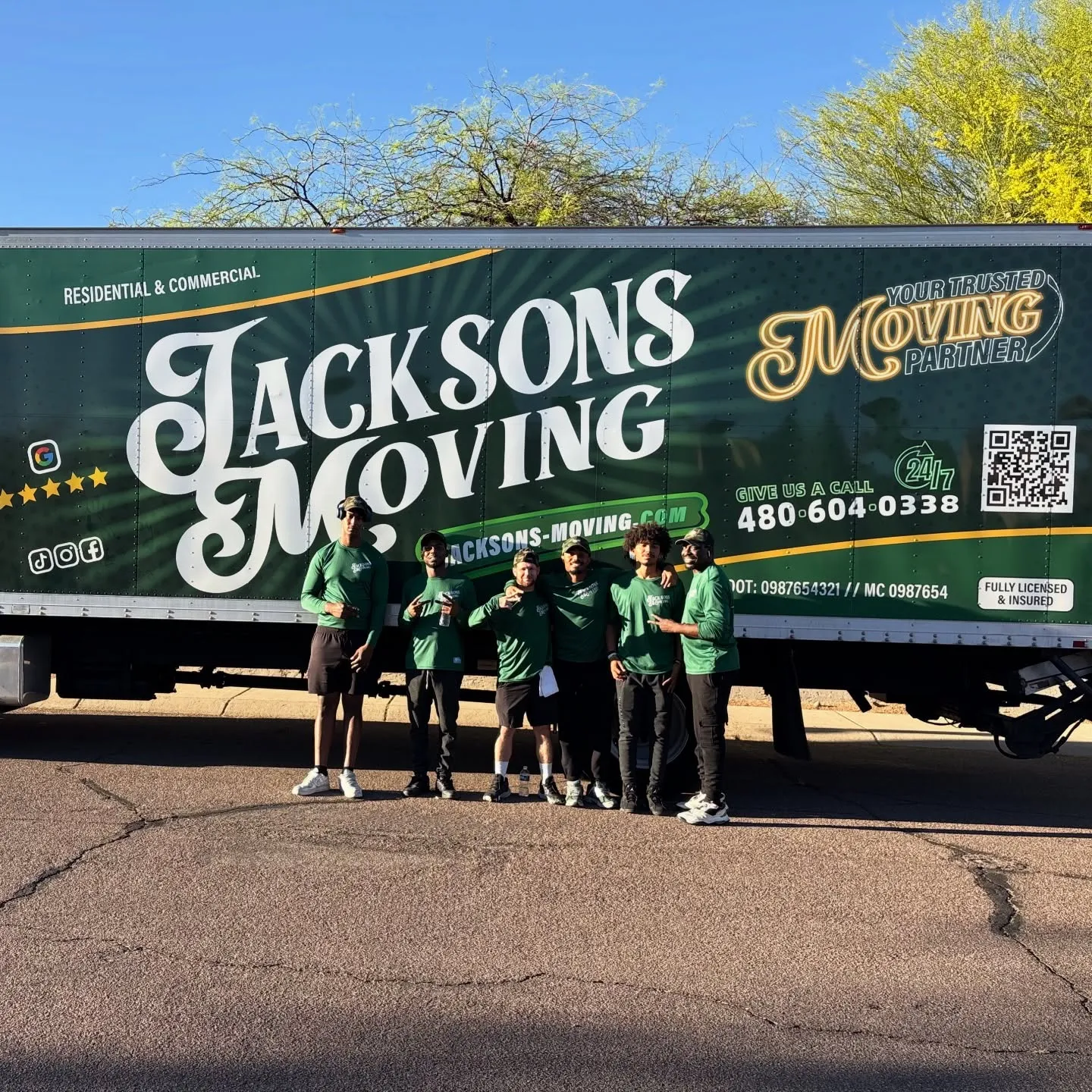
A calculator gets you in the ballpark. A written estimate gets you a number you can plan around. Jackson's Moving is a family-owned company with transparent, straightforward pricing, and we're available 24/7 to walk through your move.
Jackson's Moving offers local and long-distance moving, packing, and junk removal, so you can handle these services with one company. If you're planning a long-distance move, you can request a quote from Jackson's Moving.
Treat them as a starting range, not a price. The actual charge is generally calculated according to the mover's tariffs, so a calculator output alone does not establish what you owe. Accuracy improves when you enter real shipment weight, exact distance, and the services you want. The most reliable path is a written estimate based on an inventory of your belongings, ideally after a visual or video survey.
Most long-distance pricing combines both. Distance sets the base transportation charge, while shipment weight drives the labor and fuel component. A heavier shipment over the same mileage generally costs more. Accessorial charges, such as stairs, long carries, or storage, sit on top of that. Ask your mover which formula they use so you can compare quotes on equal terms.
Shipment weight and distance traveled are the two biggest drivers, followed by home size, move date, and seasonal demand. Summer weekends cost more than mid-month weekdays. Packing services, loading and unloading, appliance disconnection, and storage each add to the total. Access at both the origin and destination matters too: a fourth-floor walk-up with no elevator takes longer than a ground-floor house with a wide driveway.
Line up quotes against the same inventory, the same dates, and the same service list. Confirm each one states whether it is binding or nonbinding, what it excludes, and how it handles weight disputes. Check the mover's registration and complaint history before you sign anything. A quote that is thousands below the others usually reflects a smaller assumed weight or missing services, not a better deal.
The real challenge isn't finding an estimate. It's finding one you can trust on moving day. Jackson's Moving offers transparent pricing, careful handling of your belongings, and efficient, on-time service from a family-owned team. Get started with Jackson's Moving and turn a price range into a firm plan.
GET A QUOTE
 Add jacksons-moving.com as a preferred source on Google →
Read genuine feedback from our satisfied customers to understand why we are the trusted choice for moving services.
From Phoenix to communities across the Valley, Jackson's Moving is here when you need residential, commercial, or long-distance moving services. Request your free quote today.