Written by:
Editorial Team
Published:
November 6, 2026
Last Updated: November 5, 2026
Quick Summary
To prepare for local movers, start a written timeline 6 to 8 weeks out by booking your moving company and confirming the date in writing, then declutter, pack, and confirm parking and building access in the weeks that follow. Pack an essentials box last and keep it in your car, and clear pathways and reserve truck parking before moving day.
Almost 28 million Americans move each year, according to MoveBuddha's moving industry statistics. A written timeline is how you keep a local move from turning into a scramble.
Here is the timeline we recommend for how to prepare for local movers:
Peak season runs May through September, so book earlier if your date falls in that window. A local-move planning guide from Moving of America's local move guide recommends a 4-to-6-week minimum planning window.
Write the timeline down and stick it on the fridge. A checklist you can see beats one buried in your email.
Here is the timeline we recommend for how to prepare for local movers.
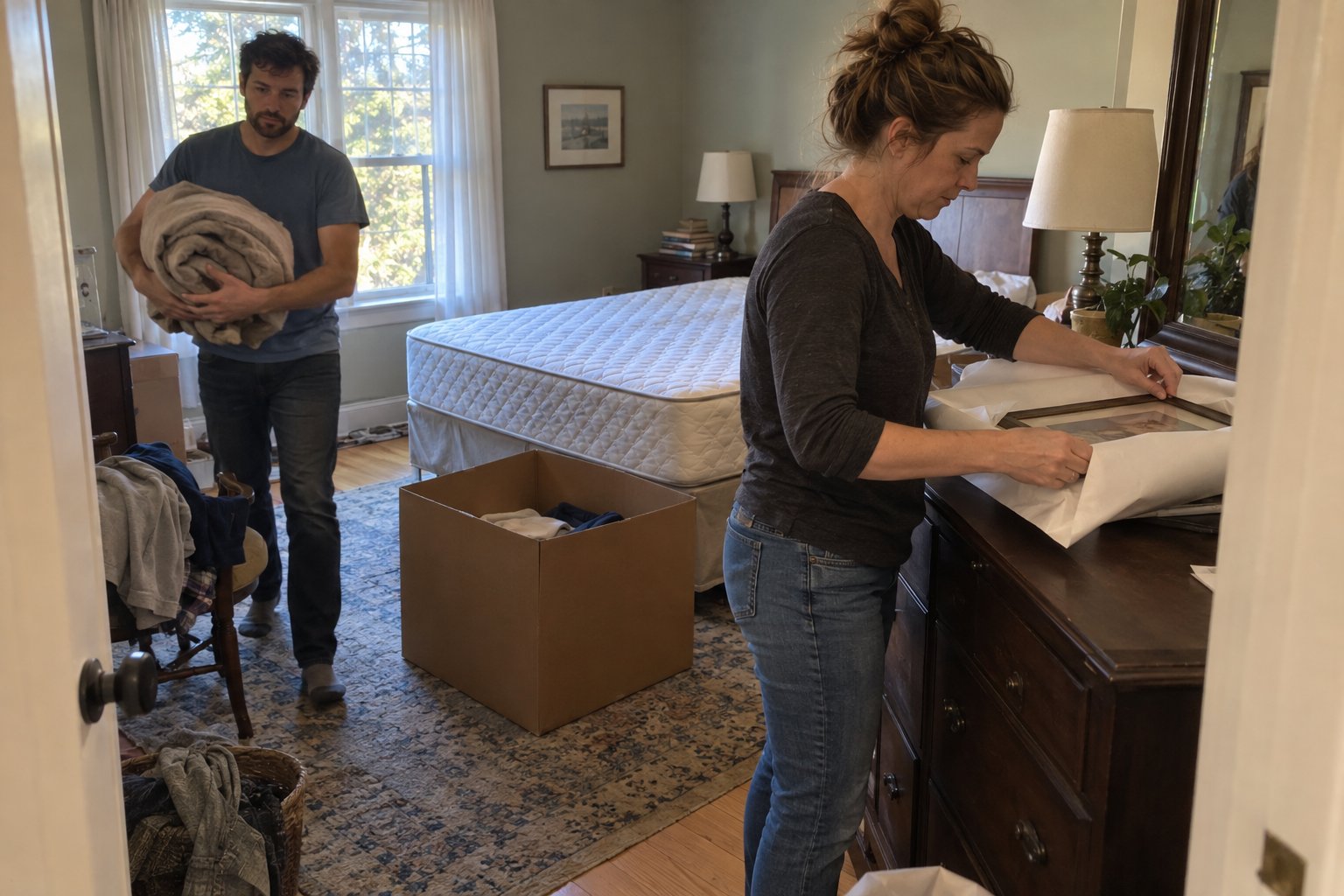
Every box you don't pack saves you time, tape, and money. Sorting before you pack is the cheapest way to shrink a move.
Walk through each room with three boxes or bags: keep, donate, and toss. Be honest with yourself. If you haven't used something in a year, it probably shouldn't make the trip.
A few rules that save real time:
Once a room is sorted, it's ready to pack. If you want a room-by-room system for what comes next, our guide on how to pack for a move walks through each space in order.
Buy supplies before you pack the first box. Running out of tape halfway through a room is how packing stalls.
Your basic supply list:
Label every box on the top and one side. Write the room it belongs in and a short list of what's inside.
Color-code by room if you can. One color per room makes unloading faster, and it helps movers place boxes in the right spot without asking.
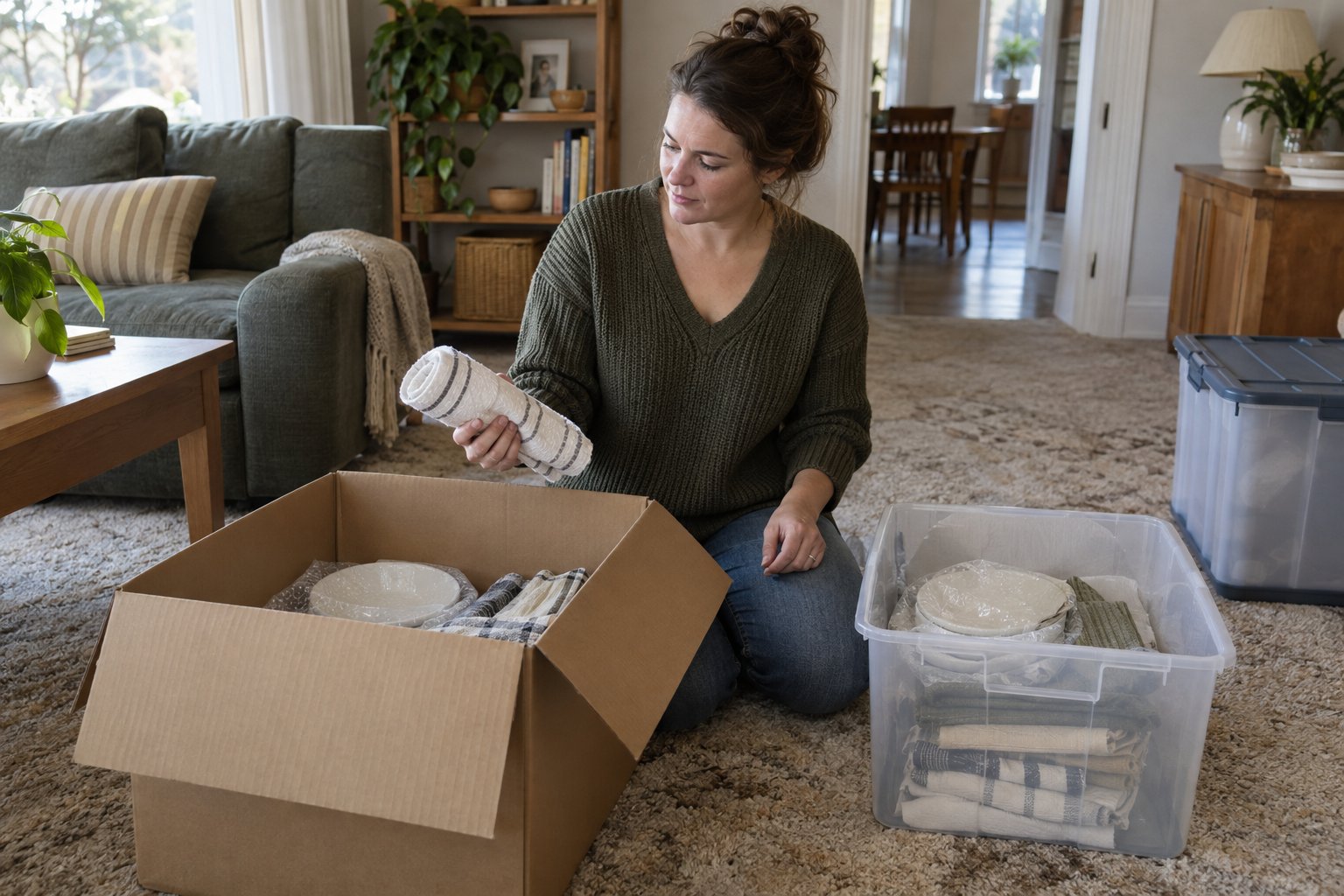
Fragile items break for one reason: they move inside the box. The fix is to wrap each item and fill every gap so nothing shifts.
How to pack fragile items safely, step by step:
Take photos of high-value items before they go in a box. For a deeper walkthrough on wrapping and boxing delicate pieces, see our guide on how to pack fragile items safely.
Watch out: stacking heavy boxes on top of fragile ones is the most common cause of breakage. Keep fragile boxes on top of the stack, every time.
An essentials box holds everything your household needs on moving day and the first night in the new home.
What to pack in an essentials box for moving:
Label the box "ESSENTIALS" and keep it in your car, not the truck. On moving day, you won't want to dig through twenty boxes for a phone charger.
Pack one small bag per person too, especially if you have kids. A favorite toy or book goes a long way on a stressful day.
Valuation coverage is the protection a moving company offers for your belongings, and it is not the same as homeowner's insurance. Since valuation coverage applies to the belongings you move, decluttering your home beforehand can help you focus on what you truly want to protect.
Your main options:
Ask your mover for the coverage details in writing before you sign. If you're weighing options for a local move, our breakdown of moving insurance coverage explains how each level works and what to ask.
The truck needs a place to park, and the crew needs a clear path from door to truck. Sort this out before moving day, not when the truck pulls up.

For a house, reserve space in the driveway or directly in front of the home. Move cars out of the driveway the night before so the truck can back in without waiting on you.
For an apartment or condo, confirm these details with your building manager at least two weeks out:
Some cities issue temporary parking permits or loading-zone reservations. Ask your building manager which office handles them and how far ahead to apply, and start early.
If your building has an elevator, reserve it for moving day and confirm the time window in writing. Ask whether the building requires elevator padding or protective blankets, and whether the mover must supply them or the building does.
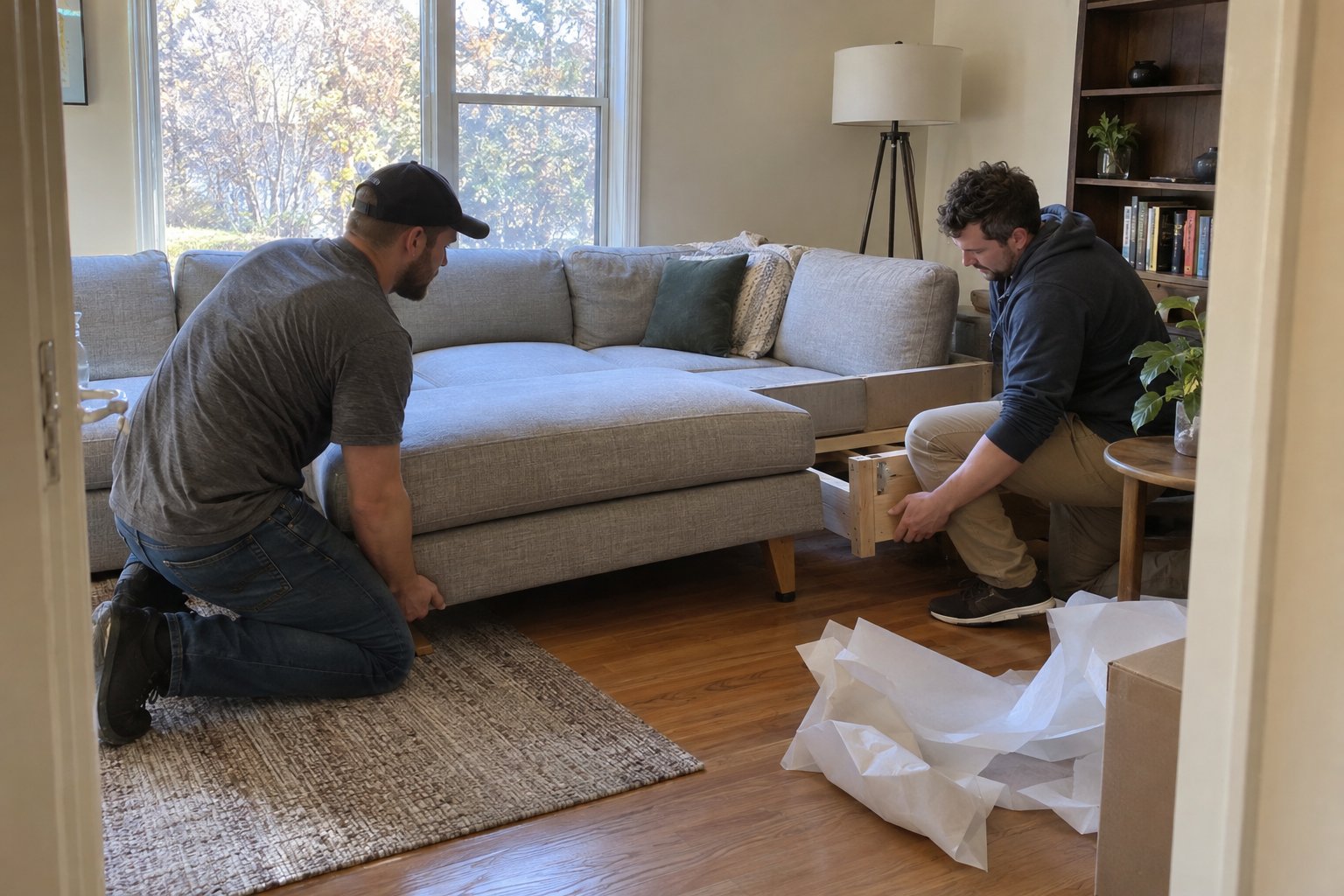
Measure the tightest point on the route before moving day: the front door, hallway turns, stairwell width, and elevator door height. Compare those measurements against your largest furniture.
Some buildings require a certificate of insurance (COI) from the moving company before the crew can enter. Ask your building manager for the exact requirements, then request the COI from your mover at least a week ahead so there is time to correct any errors.
Confirm other building rules in writing: allowed moving hours, whether the freight elevator is required, whether hallway and floor protection is mandatory, and whether a deposit or elevator fee applies.
Lay down floor protection and doorway covers along the main path. Floor protection and doorway covers help prevent the scuffs and dings that are common on moving day. Take photos of existing damage to walls, floors, and doorways before the crew arrives so you have a record.
Clear hallways, stairs, and doorways of boxes and furniture. When logistics are set and you're ready to book, you can review our local moving services.
A calm moving day comes down to a short, ordered list. Work through it in this sequence.
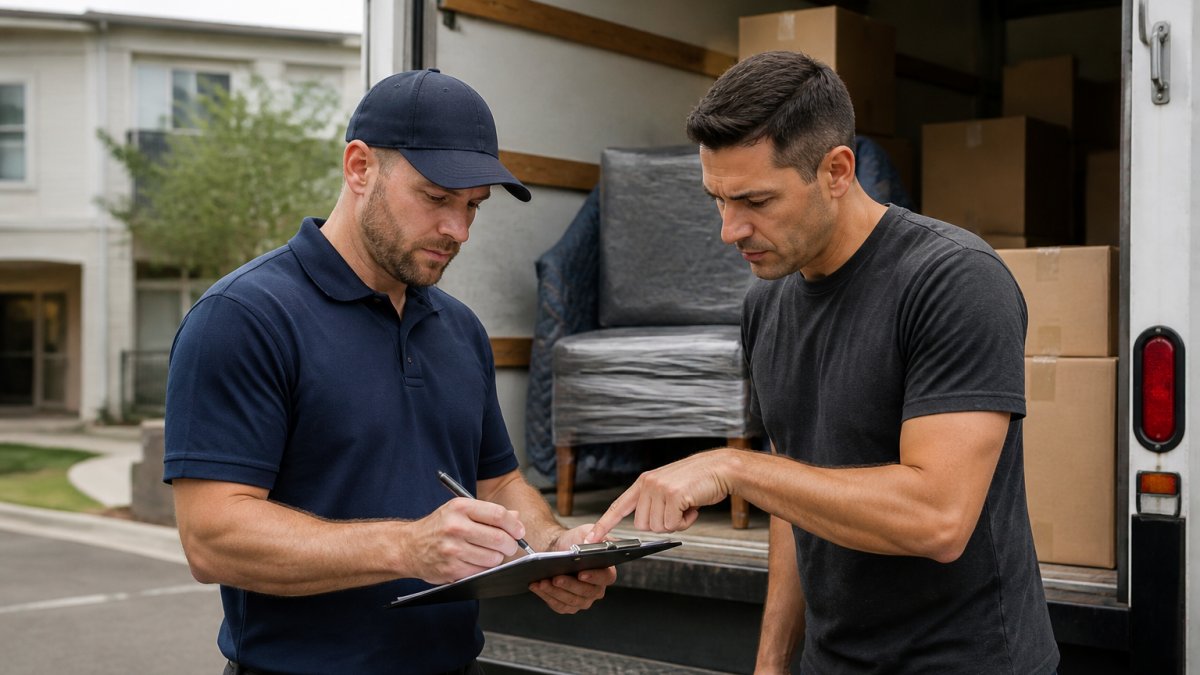
Two things to confirm before the truck arrives: the final price and the payment method. Ask for the total in writing. If you're feeling anxious about the day itself, our guide on handling moving day anxiety has practical ways to stay calm.
You can pack most items yourself, but confirm the scope with your moving company first. Many local movers offer partial or full packing services, and some items like large furniture, pianos, and electronics are safer handled by the crew. If you pack yourself, use sturdy boxes and label each one by room. Keep a box inventory so nothing goes missing. Jackson's Moving can handle packing and moving in one job, which removes the guesswork about what to leave for the crew.
Wrap each fragile item individually in bubble wrap or packing paper, then cushion it inside a sturdy box with at least two inches of padding on all sides. Label the box FRAGILE on every side and keep it upright during loading. Disassemble lamps and remove glass shelves before packing. For high-value pieces, ask about moving company valuation coverage so you know what protection applies if something breaks in transit.
Valuation coverage sets the maximum amount a mover will pay if your belongings are damaged or lost, and it is not the same as homeowners insurance. Ask your mover which coverage levels it offers, what each costs, and how payouts work. Compare both options against the value of your belongings, and check whether your renters or homeowners policy already extends to items in transit.
Keep an essentials box with you rather than loading it on the truck. Pack medications, phone chargers, a change of clothes, toiletries, important documents, and snacks. Bring cash or a card for tips and any final payment. Keep pets and children away from the loading zone, and hold onto your keys, wallet, and lease or closing paperwork. This box should be the last thing you pack and the first thing you unpack at the new place.
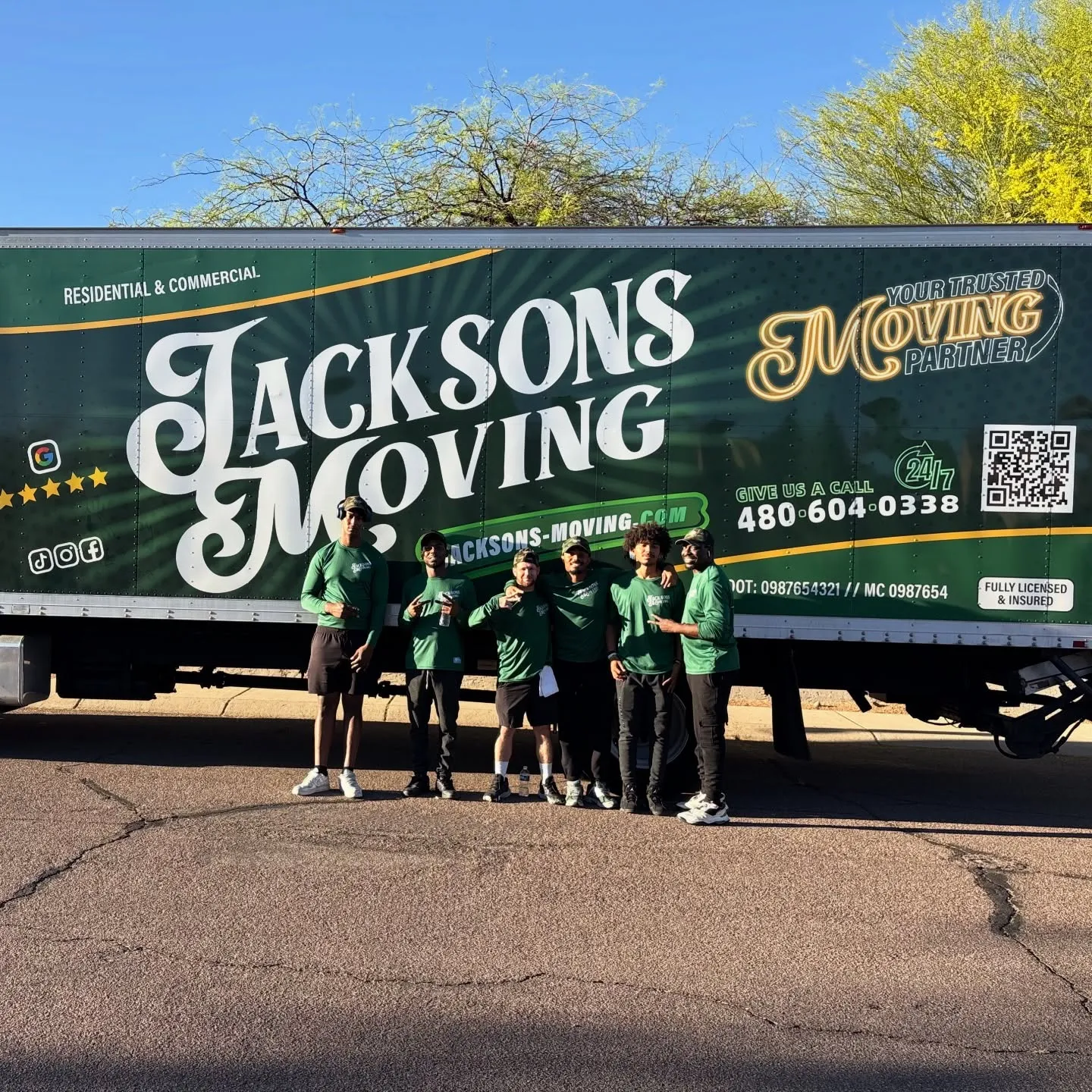
Preparing for local movers comes down to a timeline, sorted rooms, labeled boxes, and a clear path to the truck. Jackson's Moving is a family-owned company with transparent, straightforward pricing and no hidden charges. Our trained crews handle packing, local and long-distance moves, and junk removal in one go, and we're available 24/7 to answer questions before your move. Get started with Jackson's Moving and book a stress-free local move.
GET A QUOTE
 Add jacksons-moving.com as a preferred source on Google →
Read genuine feedback from our satisfied customers to understand why we are the trusted choice for moving services.
From Phoenix to communities across the Valley, Jackson's Moving is here when you need residential, commercial, or long-distance moving services. Request your free quote today.