
Written by:
Jacksons Moving
Published:
November 5, 2026
A moving day timeline covering the week before, the night before, and moving day itself, with checklists for each stage so nothing gets missed.
A moving day timeline works best when it starts well before the truck shows up. The week leading into a move is where most of the real work happens: confirming logistics, finishing packing, and setting aside the things you will need the instant you walk into the new place. Moving day itself should be mostly execution, not scrambling. Here is a timeline broken into the week before, the night before, and the day itself, with a checklist for each stage.
A single long checklist tells you what to do but not when, which means tasks that need to happen early (like confirming your crew or finishing a change of address) often get crowded out by tasks that feel more urgent that day. A timeline spreads the work across the days when it actually needs to happen, so nothing gets rushed at the last minute.
Think of it in three blocks: the week before, which is mostly confirming and finishing; the night before, which is mostly staging and setting aside; and moving day, which is mostly directing traffic and doing a final walkthrough. Each block has a different job, and mixing them up is usually where people lose time.
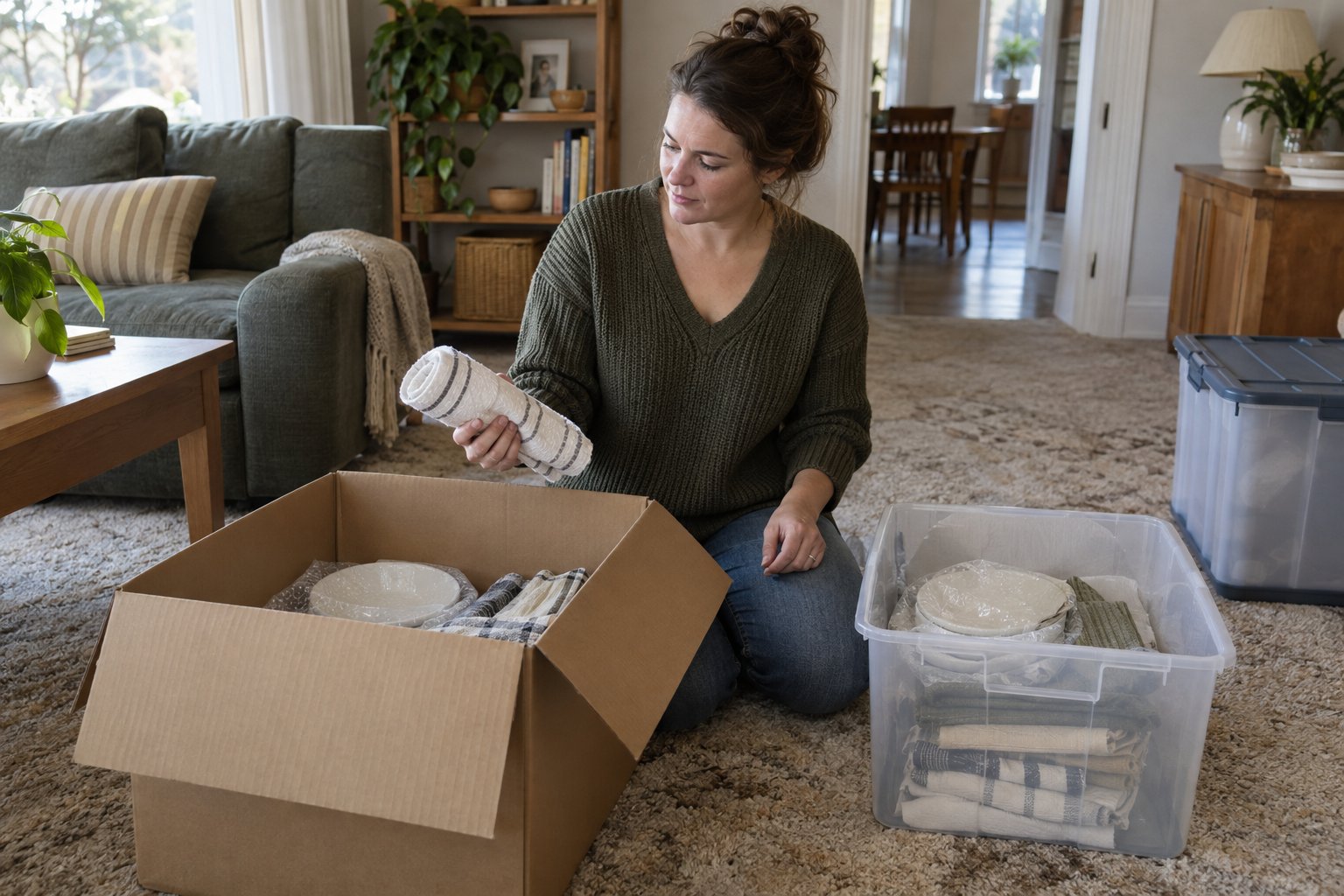
The week before is for finishing packing, confirming every detail of the move itself, and handling the paperwork that takes time to process. Leave this too late and you are doing it on moving day instead of resting before it.
This is also the point to confirm your plan with any help you have arranged. If you are using packing services, confirm what is already handled so you are not duplicating work or leaving gaps.
The night before is about staging, not finishing a to-do list. Everything should already be packed; this stage is for setting aside what you need, protecting what matters most, and making the morning easier.
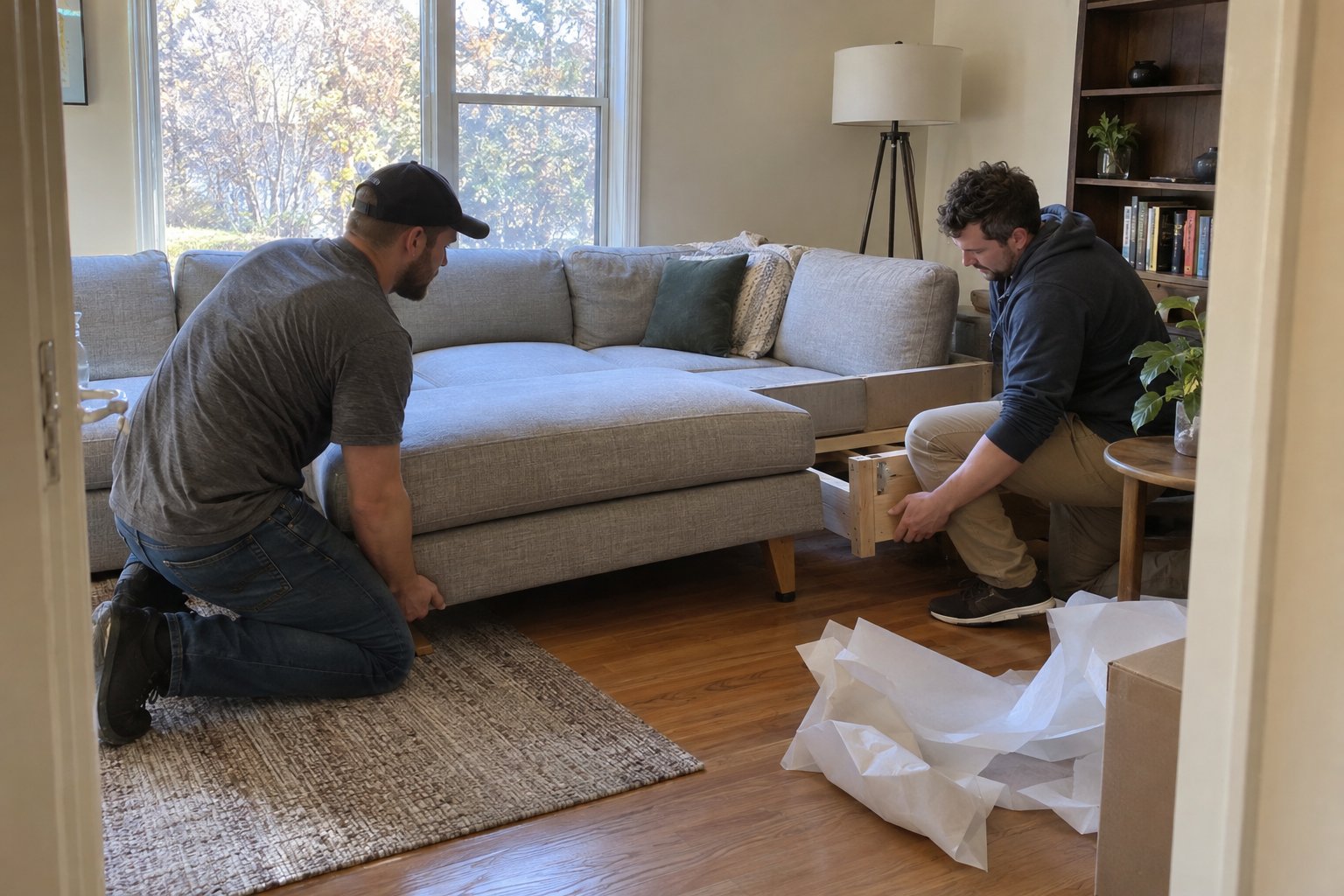
Moving day itself usually breaks into four stages: arrival and walkthrough, loading, transit, and unloading. Knowing roughly how the day unfolds helps you plan around it instead of being surprised by it.
Scale the timeline to the size of your move rather than following it rigidly. A one-bedroom apartment compresses easily into a shorter version of this schedule, while a larger home benefits from starting the week-before tasks closer to two weeks out.
If you are moving within the area, for example into or out of Mesa, AZ or Chandler, AZ, a shorter drive between homes gives you more flexibility on timing, since a delay in loading does not eat into a long transit window the way it would on a longer trip. If your move involves a lot of stairs or heavy furniture, it is worth reading up on moving heavy furniture on stairs ahead of time so the crew knows what to expect.
Whatever the size of the move, build in a buffer. Things take longer than expected more often than they take less, and a timeline with no slack turns a small delay into a stressful afternoon.
Staying on schedule on moving day mostly comes down to removing decisions that could have been made earlier. The fewer choices your crew or your family has to stop and ask about, the faster the day moves.
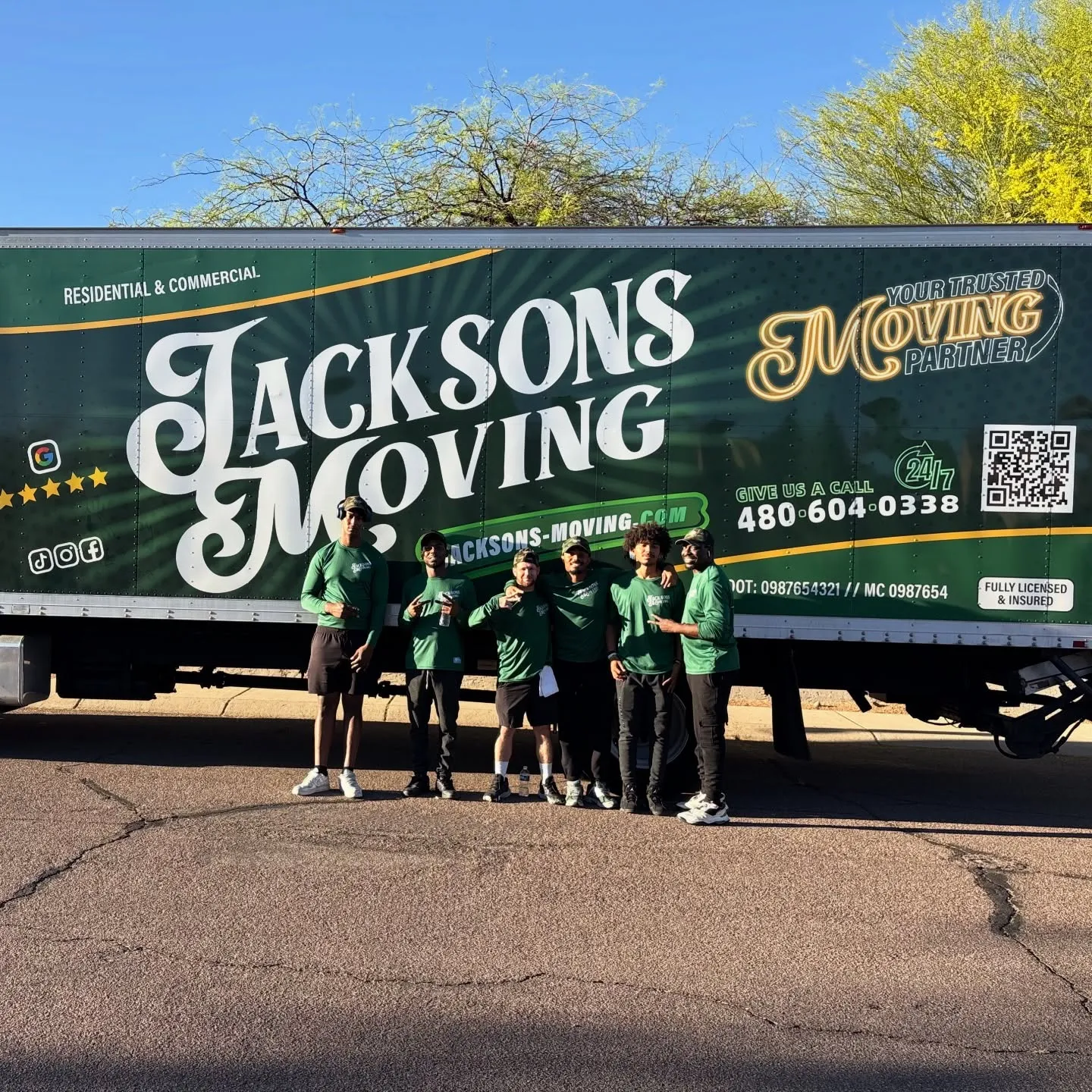
Getting help with the heavier parts of the day, loading, carrying, and placing furniture, frees you up to manage the schedule instead of lifting boxes. Local moving services can take over the physical work so your timeline holds even if the day gets long.
Planning your move? Request a quote from Jackson's Moving.
Most people start packing non-essential rooms about two to three weeks out and finish everything except daily essentials in the final week. Larger homes benefit from starting earlier since there is simply more to box up.
Important documents, medications, chargers, a change of clothes, and valuables should travel with you rather than on the truck. Hazardous items like paint, propane, and batteries typically cannot be loaded at all and need separate disposal.
Walk them through which items are fragile, which boxes need to go where in the new home, and any awkward spots like stairs or narrow doorways. Telling them upfront saves time compared to redirecting mid-carry.
Packing room by room usually keeps a move more organized because boxes can be labeled and placed directly in the right room at the new home, cutting down on sorting later.
A quick walkthrough with whoever is unloading, so they know where furniture should go, saves time compared to deciding placement piece by piece as boxes come off the truck.
Read genuine feedback from our satisfied customers to understand why we are the trusted choice for moving services.
From Phoenix to communities across the Valley, Jackson's Moving is here when you need residential, commercial, or long-distance moving services. Request your free quote today.